Thursday, January 25, 2024

The Animal Show- Cockroach and Squid Part 1

Stinky and Jake: Here on the Animal Show.
Here on the Animal Show.
Here on the Animal Show!

Bunnie Bear: From under the ocean, over the clouds, and around the world…

Armstrong the Chickenhawk: Here comes the wild side of wild life.

Bunnie: The Animal Show!

Armstrong: And now, let’s have a wild welcome for your furry friends-

Bunnie: Stinky and Jake!

Stinky and Jake: Now it’s The Animal Show!

Jake: Hello, all you animals out there!

Stinky: I’m Stinky.

Jake: And I’m Jake. And today, we are going to meet two invertebrates, the cockroach and the squid.

Stinky: What's an invertebrate?

Jake: Invertebrates are any animals without bones. For about 100 million years now, the Animal Kingdom has been split into six categories: Mammals, birds, reptiles, amphibians, fish, and invertebrates. Me, you, and Bunnie are all mammals, Armstrong is a bird, while Yves and Tizzy are both invertebrates.

Stinky: So bees, roaches, and squids are all invertebrates?

Jake: Yes! Invertebrates can be split into even more groups, which includes insects, arachnids, crustaceans, cephalopods, gastropods, bivalves, annelids, cnidarians, echinoderms…

Armstrong: And now, it’s time for…

Bunnie: That’s amazing! Today, we look at an animal that has not only no bones, but also no face, arms, legs, or even organs!

Armstrong: That’s impossible! Every animal has organs, arms, legs, and a face.

Bunnie: Not the sea sponge! This is one of the simplest animals on Earth.
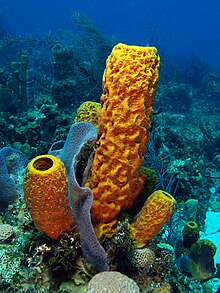
Armstrong: That’s an animal?! No way!

Bunnie: Yes it is, Armstrong. While other aquatic animals move around by swimming, walking, or crawling, sea sponges stay in one place. They use the holes all over their body to filter feed microscopic life-forms called plankton.

Armstrong: That’s an absorbent fact that will make you say…

Stinky and Jake: That’s amazing!

Stinky: Wow, Jake. There must be a lot of different invertebrates in the world.

Jake: There are, Stinky. In fact, about 90% of all animals are invertebrates. And without further ado, from everywhere on Earth but the Polar Ice Caps…

Stinky: Ice Caps.

Jake: Please welcome Yves St. La Roche!
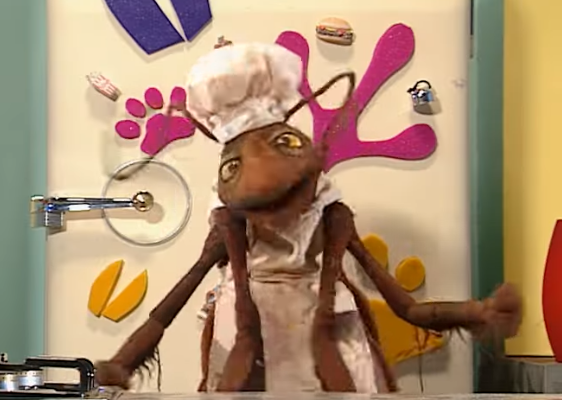
Yves: Bonjour, everyone! It is an honor to be a guest on today’s show.

Stinky: Yves? You’re the guest star? But who’s gonna host the cooking segment?

Yves: Don’t worry, Stinky. I hired a raccoon to cook today’s meal.

Jake: Tell us more about cockroaches, Yves!

Yves: Glad to, my ami ours polaire! We cockroaches are some of the most successful insects on the planet, living in every habitat imaginable. Except the tundra. Brrr!
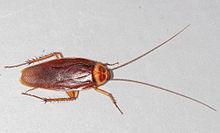
We cockroaches can eat anything, including plants, carrion, garbage, paper, and my favorite, soap! However, we can survive a month without food.

Stinky: I don’t think I can survive a day without food.

Yves: Roaches have also been around since the time of the dinosaurs!

Stinky: Have you ever met a dinosaur?

Yves: No, Stinky.

Jake: Is it true that there are different species of cockroach?

Yves: Of course! Let me show you my cousin from Madagascar, the hissing cockroach!
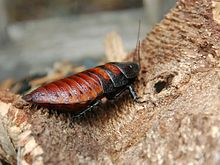
Stinky: Ick. I’d hate to see that thing in my bed.

Yves: And here is the giant cockroach, also from Madagascar.
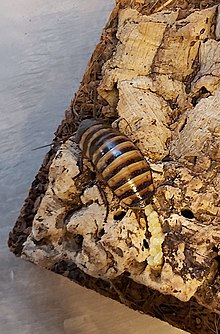
Stinky: That’s another country I don’t want to visit.

Jake: Is it true that cockroaches are important to the environment?

Yves: Absolutely, Jake! Even though many humans, and some skunks, find us to be revolting, cockroaches help the environment by eating dying leaves and rotting wood. I personally wish we were more loved by humans.

Jake: Thanks for having a talk with us, Yves. What are you gonna do now?

Yves: Well, since a raccoon will be cooking today’s meal, I’ll take the day off. Au revoir! (Yves walks off)

Jake: And now, it’s time for…

Jake and Stinky: Baby talk!
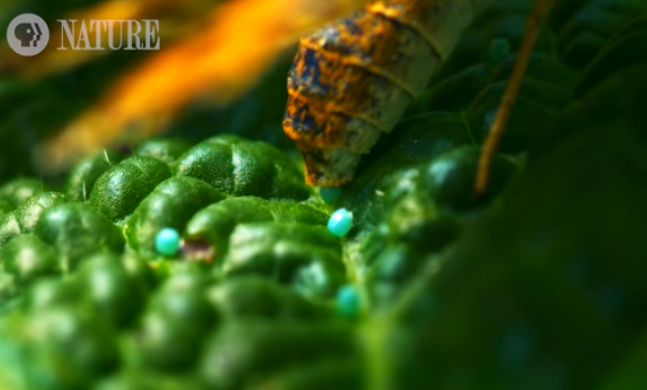
Mommy butterfly: There you go. I won’t be around to see you hatch, or even become butterflies, but I still love you deeply.
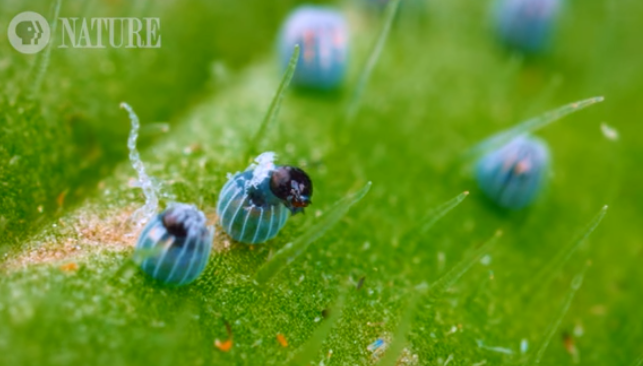
Caterpillar 1: I’m the first one hatched, but where is mom?
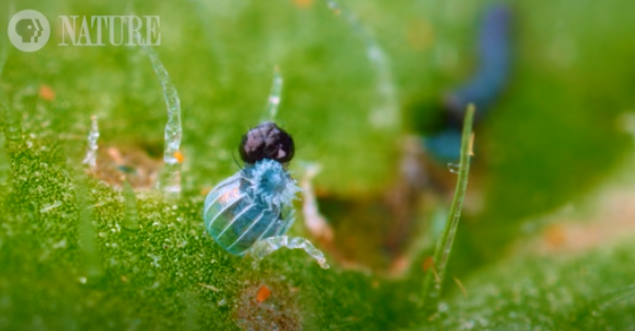
Caterpillar 2 (in background): I don’t know, but I think I heard her talking to us before she left.
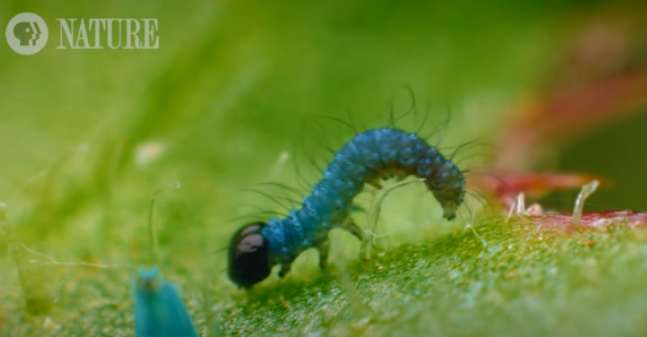
Caterpillar 3: I don’t know about you, but I’m hungry! Let’s eat whatever this green thing is.

(cut back to Stinky and Jake with Tizzy)

Tizzy the Bee: Hi, everyone! Time for a quiz! (cuts to the screen below)
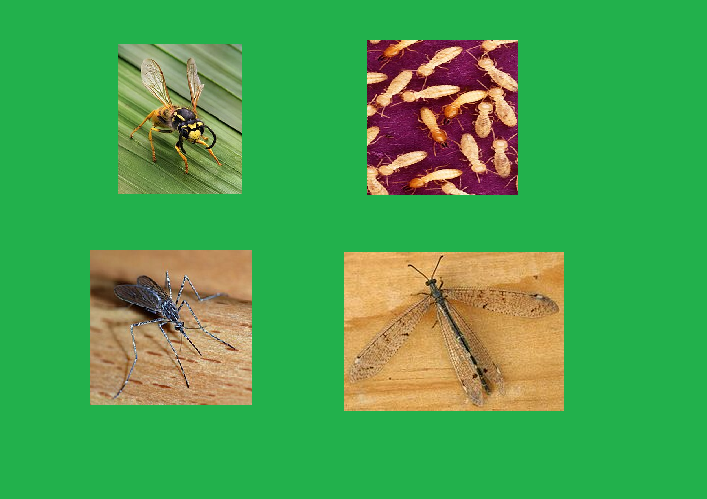
Which of these bugs lays its eggs in the water? The wasp, the termite, the mosquito, or the antlion? Give it a think. Back in a buzz!

(Tizzy flies back to Stinky and Jake, who are having a hard time finding the answer)

Stinky: What do you think the answer is, Jake?

Jake: I already forgot the question.

Tizzy: Maybe you should hear the question again. (flies back to the previous screen) The question is which of these bugs lays its eggs in the water? The answer is the mosquito.
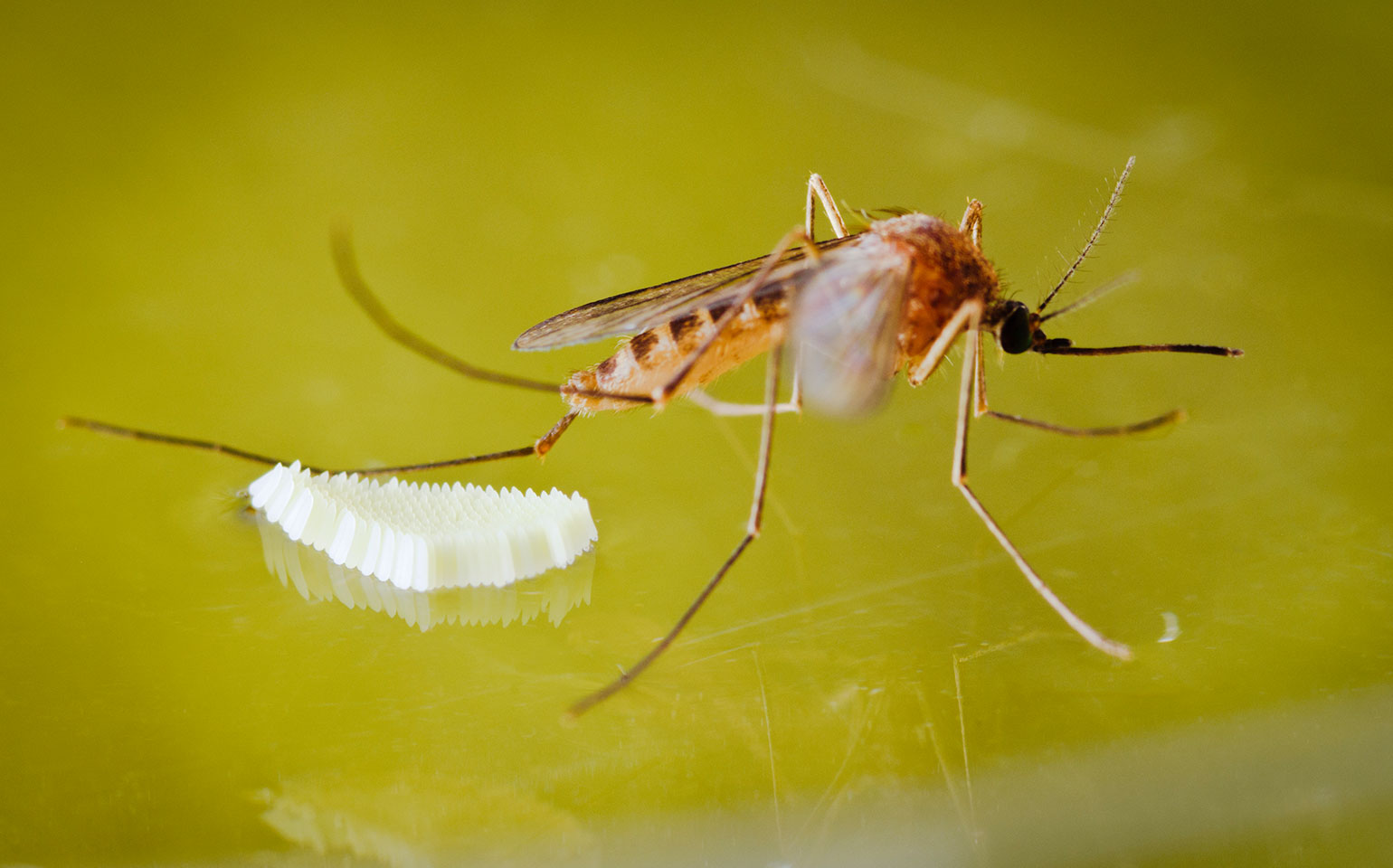
Mosquitoes lay their eggs in the water, and they hatch into larvae. That’s what baby mosquitos are called!
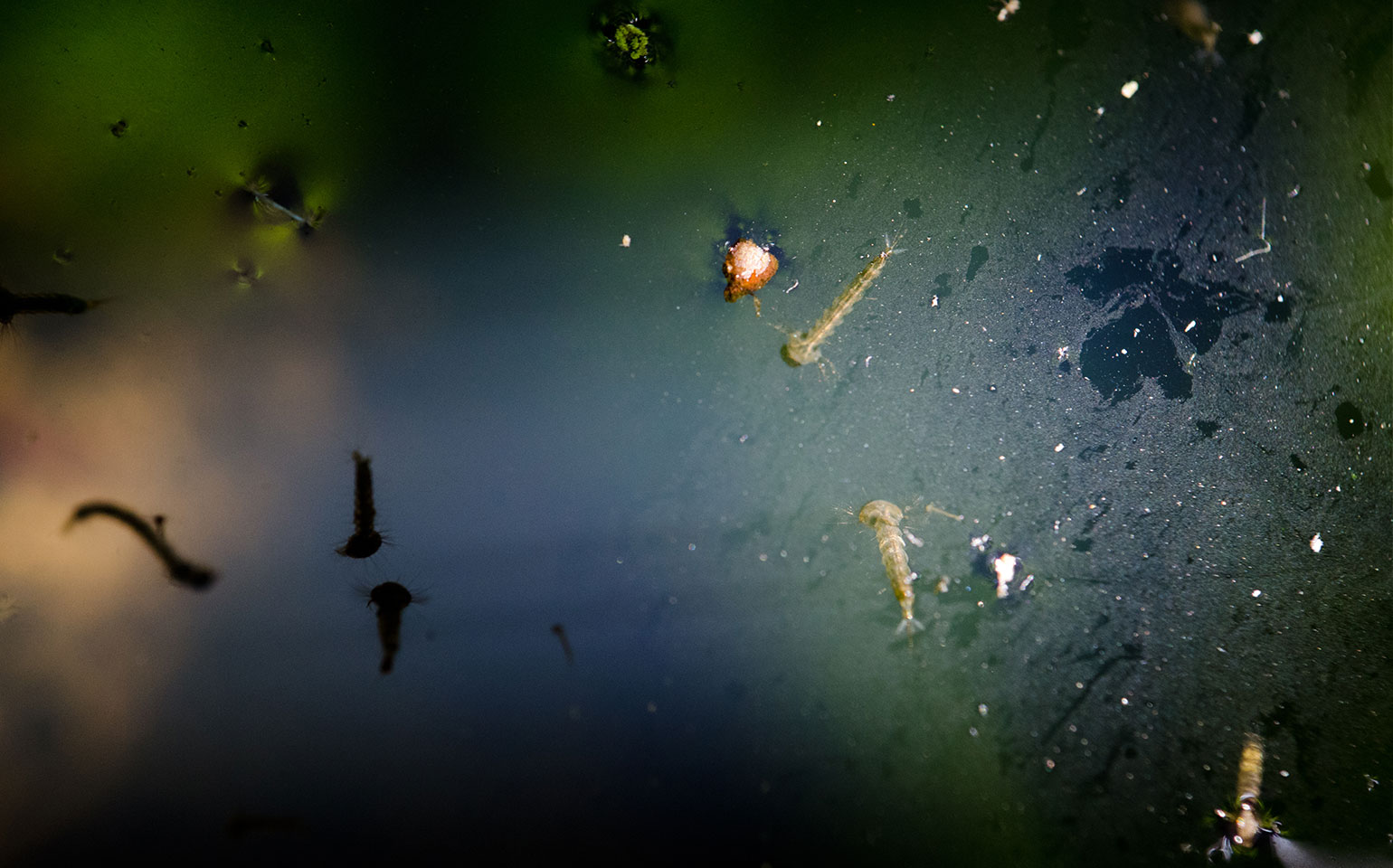
The larvae live in the water until they go through metamorphosis. That’s what we insects call growing up. Bee-lieve it, because it’s true!

To be continued in Part 2...

Thursday, January 18, 2024

The Animal Show- Walking-Stick and Ptarmigan Part 2

Jake: And now, let’s see what’s cooking in the kitchen with Yves St. La Roche.

Stinky: About that.

Jake: What is it?

Stinky: I unplugged the fridge and the oven.

Jake: Oh boy.

(cuts to Yves in his kitchen)

Yves: Bonjour, bonjour little animals out there! Today, we are going to cook seaweed and prawn. First, we check the refrigerator to see if we have the proper ingredients. (opens the fridge, but nothing is inside but a note) It’s a note. ‘Dear Yves, I have unplugged the refrigerator and the oven to save the planet from climate change. If you’re wondering what I did with all that food, I donated it to charity’. Well, good thing I have a Plan B: Peanut butter and banana sandwiches! (quickly makes a PB&B sandwich) Voila! A peanut butter and banana sandwich, made from freshly ground peanuts, ripe bananas, and non-GMO bread. Bon appetit! (takes a bite out of the sandwich)

(cuts back to Stinky and Jake)

Jake: And now, all the way from subarctic regions of North America, Greenland, Scandinavia, Japan, and Scotland…

Stinky: Scotland.

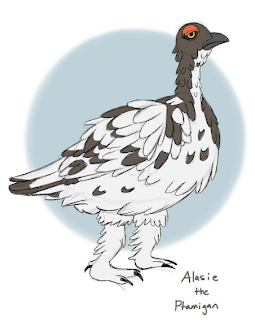
Jake: Please welcome Alasie the Ptarmigan.

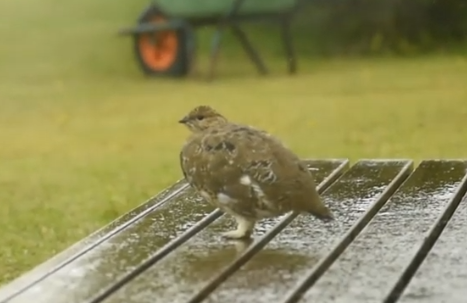
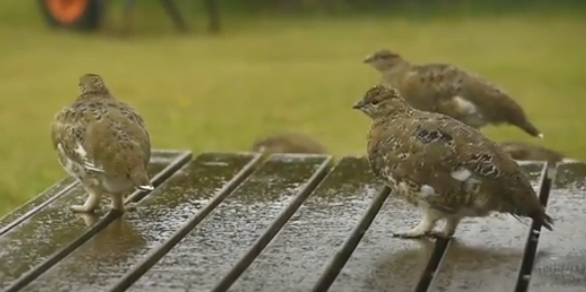
Alasie: Hi, everyone. I bet none of you know what a ptarmigan is.

Jake: I do. We have some of those back at home.

Stinky: I have no clue.

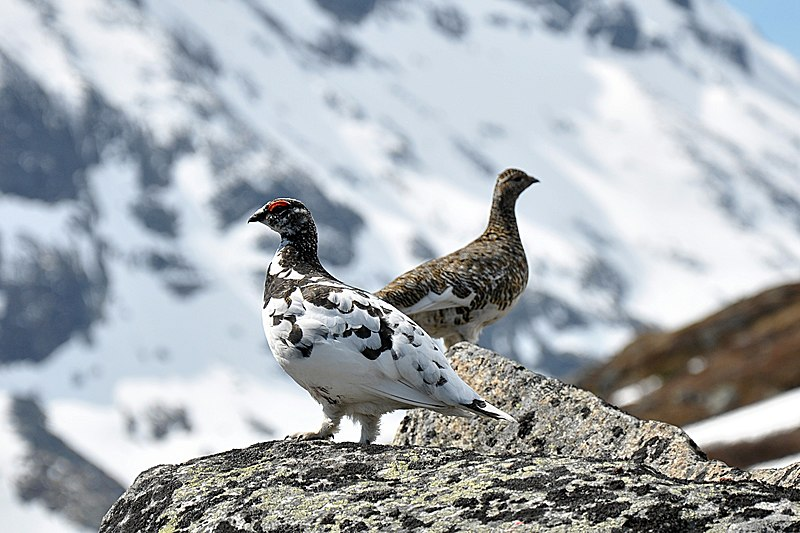
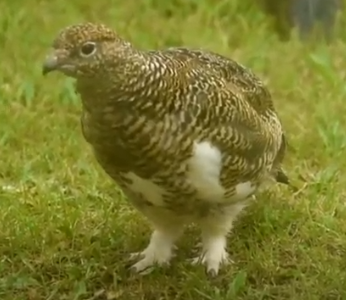
Alasie: We rock ptarmigans are birds that live in cold habitats, though other species live in warmer areas.

Stinky: That looks like a chicken.

Alasie: Good observation, Stinky. Humans around the world give us different names, such as the snow chicken, the thunderbird, the hare foot, and the white grouse.

Jake: And what do you guys eat?

Alasie: Berries, leaves, buds, flowers, and seeds. Our babies, however, eat bugs.

Stinky: Let me guess: Ptarmigans are affected by climate change, as well.

Alasie: Correct, Stinky. With the planet getting warmer, it’s harder for us to find a proper habitat. Luckily, we find refuge in shady sites protected by wind, as well as tall mountains.

Jake: Can ptarmigans fly?

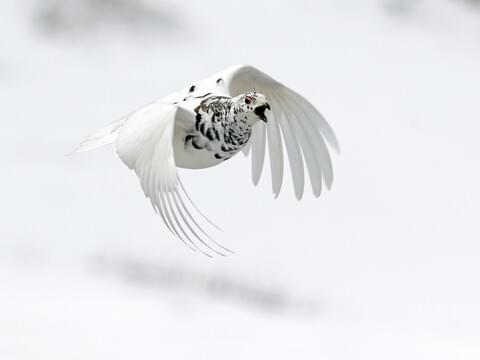
Alasie: As a matter of fact, we can! We may not look like it, but ptarmigan can fly for a mile until we get tired. I may not be a songbird, but can I still sing a tune?

Jake: Sure. And now, here is Alasie singing ‘Birds of a Feather’.

Alasie: Birds of a feather flock together

We live in every kind of place and weather

We fly, we run, we swim, we squawk!

There's emus, eagles, and chickenhawks!

Penguins, ptarmigans, ducks, and owls

And please don't use our feathers as towels!

Toucans, kiwis, woodpeckers, and the finch

The pelican can swallow fish in a pinch!

Skuas, falcons, sparrows, and puffins

And remember to never give a seagull muffins!

Bunnie: And now it’s time for the Animal Awards! Today, the animal with the most blubber.

Armstrong: What’s blubber?

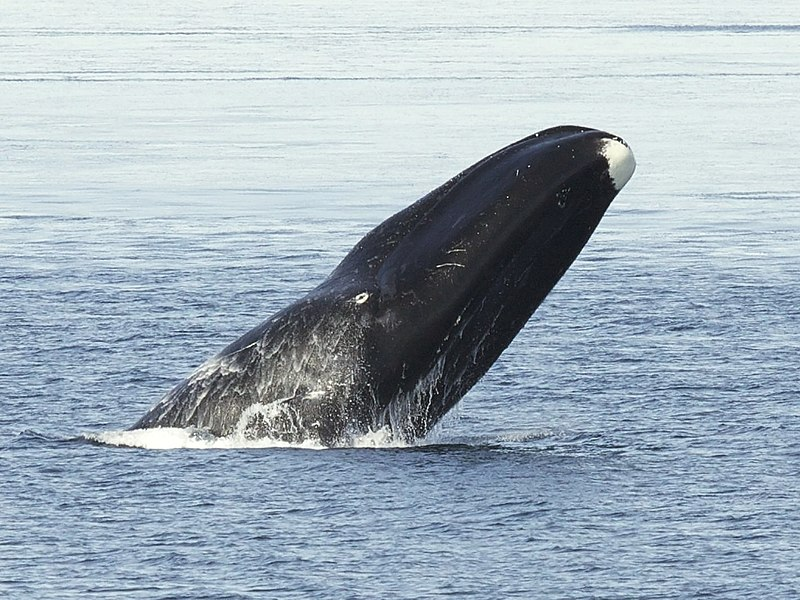
Bunnie: It’s a type of fat that keeps polar animals, like Jake, warm in cold climates. Anway, could the winner be… the bowhead whale?

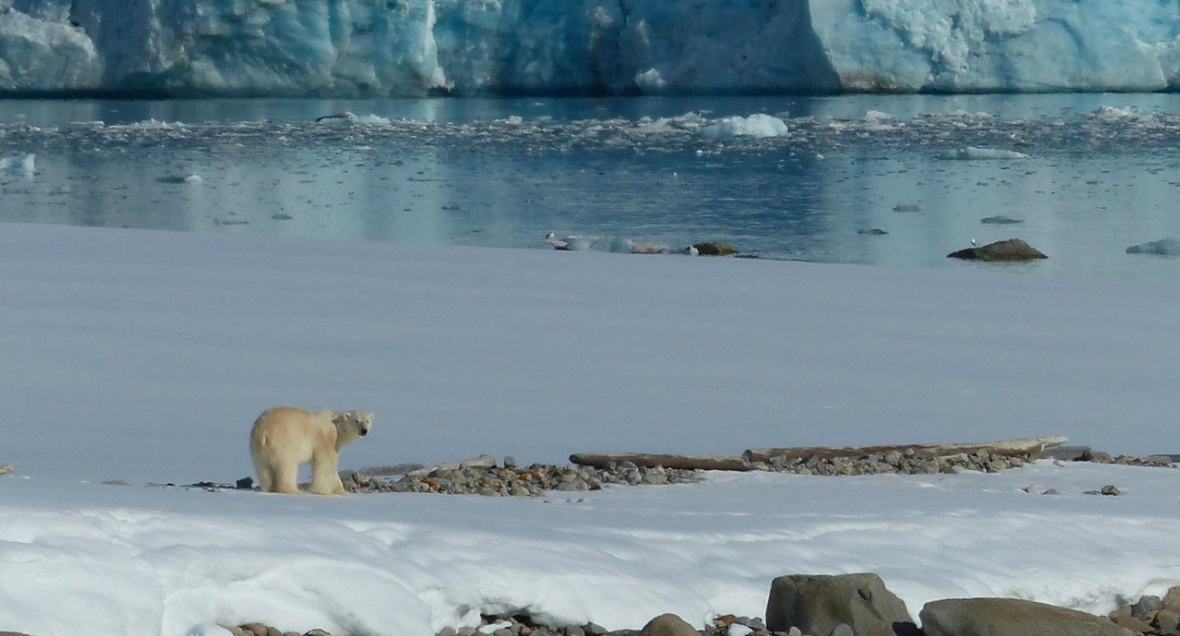
Armstrong: The polar bear?

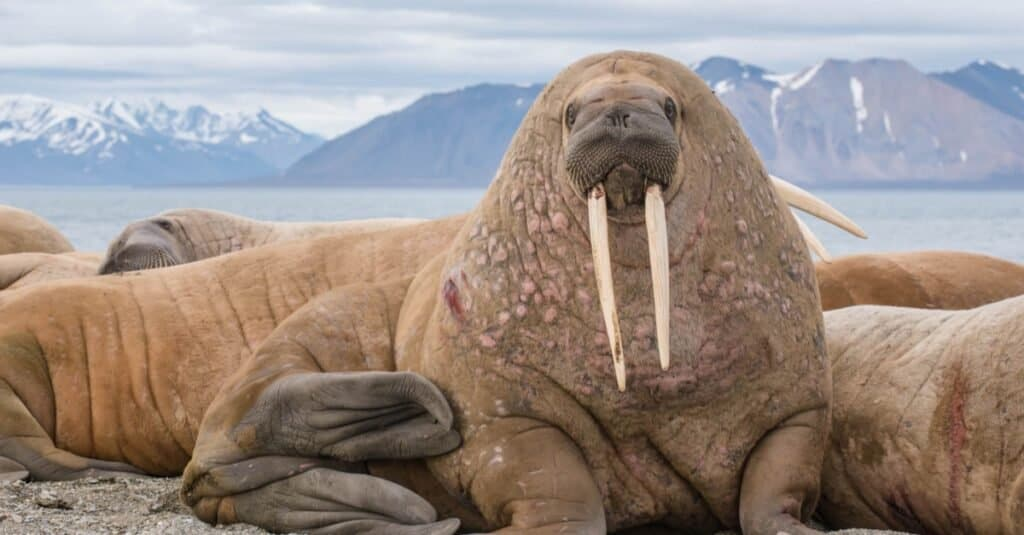
Bunnie: The walrus?

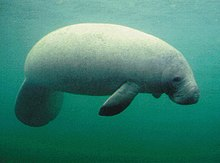
Armstrong: Or the manatee?

Bunnie: And the winner is.. The bowhead whale!

Armstrong: Sorry that you didn’t win, Jake.

(cut to Jake crying)

Stinky: Jake, are you crying because you lost?

Jake: Not only that, I can’t find my storybook!

Stinky: Oh, that thing? I recycled it.

Jake: Stinky, this ‘saving the planet’ thing is getting out of hand. Turning off the lights, unplugging appliances, and recycling things we use on a daily basis are all noble acts, but doing too much of it can get on people’s nerves. Besides, it’s now so cold that Tizzy can’t come out of her hive.

Stinky: I guess I was trying too hard to save the planet. Can I at least only have half the lights on?

Jake: Okay, but can you get my book first and turn the generator back on?

Stinky: You got it! (runs around to scoop up the fireflies, turns the generator back on, and retrieves the storybook) Here’s your book, Jake!

Jake: Great, because today’s is about my cousin from Alaska: Humphry the Alaskan Brown Bear. “Once upon a time, there was a bear named Humphry. Humphry lived near a river with his wife and children, but one day, another bear arrived. ‘Hey you, there are fish in this river, and they belong to me!’ Said the rival bear. 'But my family lives here!’ Said Humphry. ‘There’s only one way to settle this: Fight!’ So the bears scratched each other with their sharp claws until the rival bear collapsed to the ground. ‘Okay, I get it. This is your turf. I’ll just have some honey, instead.’ And so, Humphry and his family continued to eat salmon, and they lived happily ever after. The end.”

Stinky: That was a good story, Jake, though it was a bit violent.

Jake: Sorry, Stinky. The animal world can be like that at times.

(cut to Armstrong and Bunnie in front of the habitat door)

Bunnie: Okay, Armstrong. It’s Habitat Time! Today, we’re going to the North Pole!

Armstrong: The North Pole, as in where Santa Claus lives? If that’s the case, I want two baskets of Choccy Hawkies, a chicken-scented seed bell, a beak warmer, my own Animal Award for Swiftest Bird of Prey…

Bunnie: We’re not gonna see Santa, Armstrong! We’re gonna see wild animals that live in the North Pole! (opens the door, and they end up in the North Pole)

This is the North Pole, Armstrong, though some humans call it the Arctic.

Armstrong: I know that guy. That’s a walrus, but why does it have scars on its body?

Bunnie: Walruses attack each other by using their sharp tusks.

Armstrong: Yeesh, can’t they just settle it by playing rock, paper, scissors?

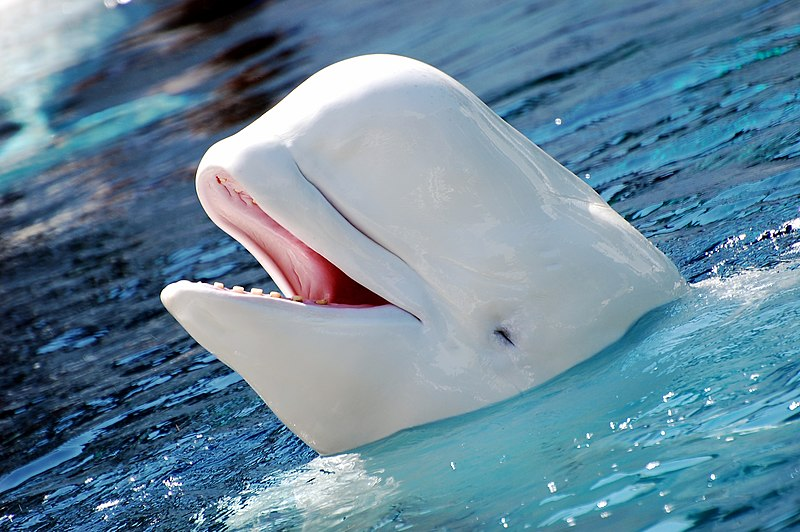
Wow, that’s a huge dolphin!

Bunnie: That’s not a dolphin, Armstrong! That’s a beluga, a whale is all white.

Armstrong: Like a polar bear?

Bunnie: Exactly! Speaking of which…

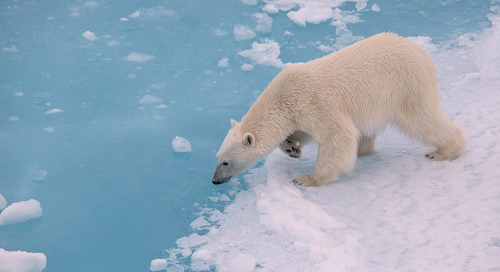
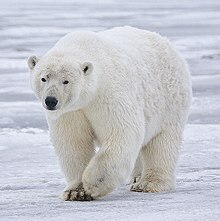
There’s a polar bear, and he’s probably waiting for either a fish or a seal.

Armstrong: A seal? Polar bears eat seals?

Bunnie: Yes, but luckily, Jake is on a special diet that doesn’t have seals.

Armstrong: Are those cows?

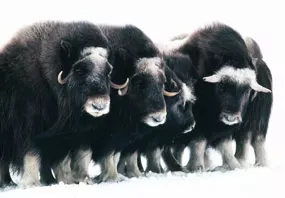
Bunnie: No, you silly! Those are musk ox, but they are related to cows. Their thick fur helps them keep warm in such cold climates.

Armstrong: Hey, penguins don’t live in the North Pole! You’re lost!

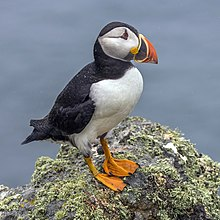
Bunnie: That’s not a penguin, Armstrong! That’s a puffin. It may look like a penguin, but it’s actually part of its own family.

Armstrong: My giblets are freezing. Can we go home now?

Bunnie: Okay, Armstrong. Talk about a party pooper.

(Bunnie and Armstrong leave the North Pole and head back to the Animal Show studio)

For Habitat Time, it’s Bunnie Bear-

Armstrong: And Armstrong the chickenhawk.

Bunnie: Just back from the North Pole.

(Tizzy flies around Stinky and Jake again)

Tizzy: Quiz time!

Jake: And what’s the quiz this time?

Tizzy: Well, here it is! (cuts to the screen below)

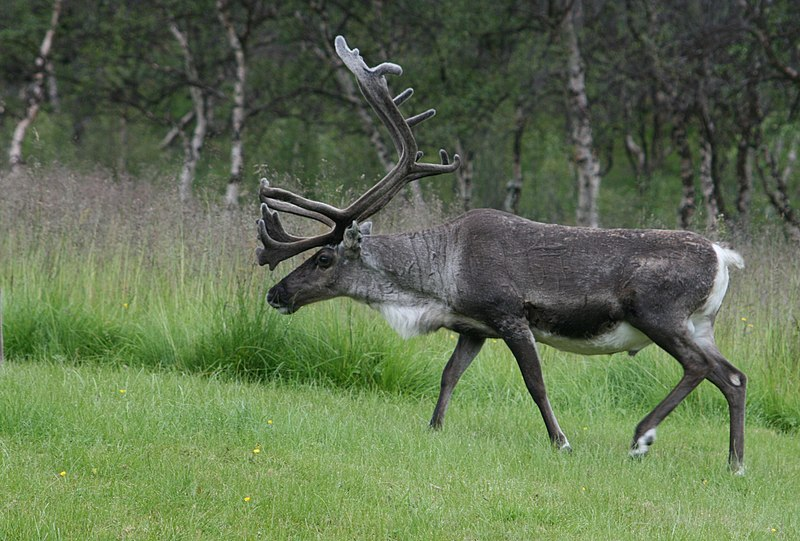
The question is what is another word for reindeer? Give it a think. Back in a buzz!

(Cuts to Stinky and Jake trying to answer the question)

Stinky: Well, there’s Dasher, Dancer, Prancer, and Vixen.

Stinky: Comet, Cupid, Donner, and Nixen?

Tizzy: Maybe you should hear the question again! The question is what is another word for reindeer? The answer is caribou! Bee-lieve it, because it’s true!

Jake: Thanks for the quiz, Tizzy. That's all the time we have today, and until next time, keep seeing the world through the eyes of animals. Bye!

Author's Notes: Stinky trying to unplug everything in the studio is inspired by how I turn off everything in the house to save the planet, much to the chagrin of my parents.
In the Animal Show episode 'Rattlesnake', Armstrong reveals that his favorite treat is Choccy Hawkies, which are chocolate bars shaped like birds.
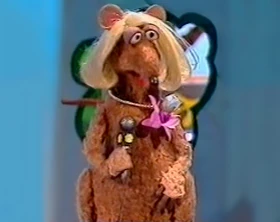
And if you're wondering whatever happened to Rhonda Rat (who took Tizzy's place in Season 3), she decided to join the Muppets. Just look at her design!
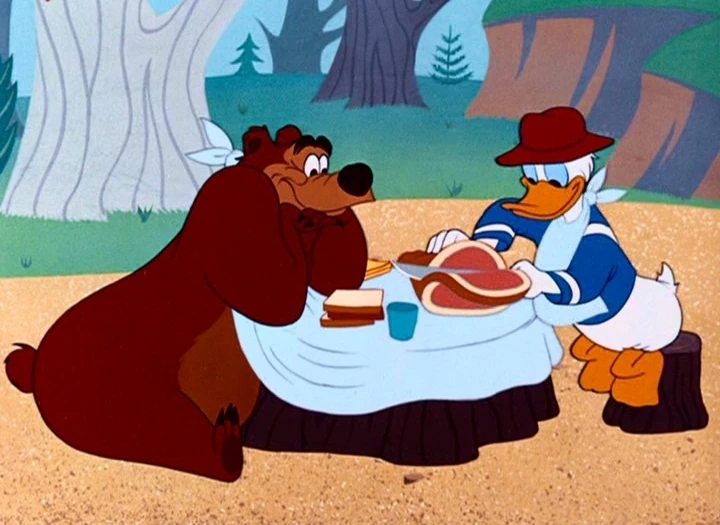
Jake's cousin Humphry is named after the Disney character of the same name: Humphry the Bear, who is best described as Sylvester from Looney Tunes as a pantomime bear. He only appeared in seven cartoons during Walt Disney's lifetime, four of which he co-starred with Donald Duck.
Next week, you'll learn all about invertebrates when the guest stars are a cockroach and a squid!

The Animal Show- Walking-Stick and Ptarmigan Part 1

Stinky and Jake: Here on the Animal Show.

Here on the Animal Show.

Here on the Animal Show!

Bunnie Bear: From under the ocean, over the clouds, and around the world…

Armstrong the Chickenhawk: Here comes the wild side of wild life.

Bunnie: The Animal Show!

Armstrong: And now, let’s have a wild welcome for your furry friends-

Bunnie: Stinky and Jake!

Stinky and Jake: Now it’s The Animal Show!

Jake: Hello, all you animals out there!

Stinky: I’m Stinky.

Jake: And I’m Jake. And today, we are going to meet the walking-stick and the ptarmigan, both of which are animals that have been affected by climate change.

Stinky: Jake, what is climate change?

Jake: Well, Stinky, climate change is when planet Earth is getting warmer. This is because of fossil fuel consumption, overusing electricity and water, and even farming.

Stinky: What does that have to do with animals?

Jake: With the Earth getting warmer, cold habitats are melting, oceans are rising, and deserts are spreading. If this continues, many animals native to cold habitats, like me, will go extinct.

Stinky: Let’s see… Warmer planet means more extinctions… That’s awful, Jake! We need to do something quick! What can I do to save the world?

Jake: Well, there’s turning off electrical appliances that aren’t being used, biking everywhere instead of driving, stop using fossil fuels, and of course, recycling.

Stinky: If that’s the case… (runs off to turn off the lights) There! We’ll be able to save the world in no time.

Jake: But how are we gonna do the show in the dark?

Stinky: Simple. (blows a whistle, and fireflies arrive) There. Fireflies are nature’s light bulbs.

Armstrong: And now, it’s time for…

Bunnie: That’s amazing! Today, we go to New England to greet an unexpected visitor.

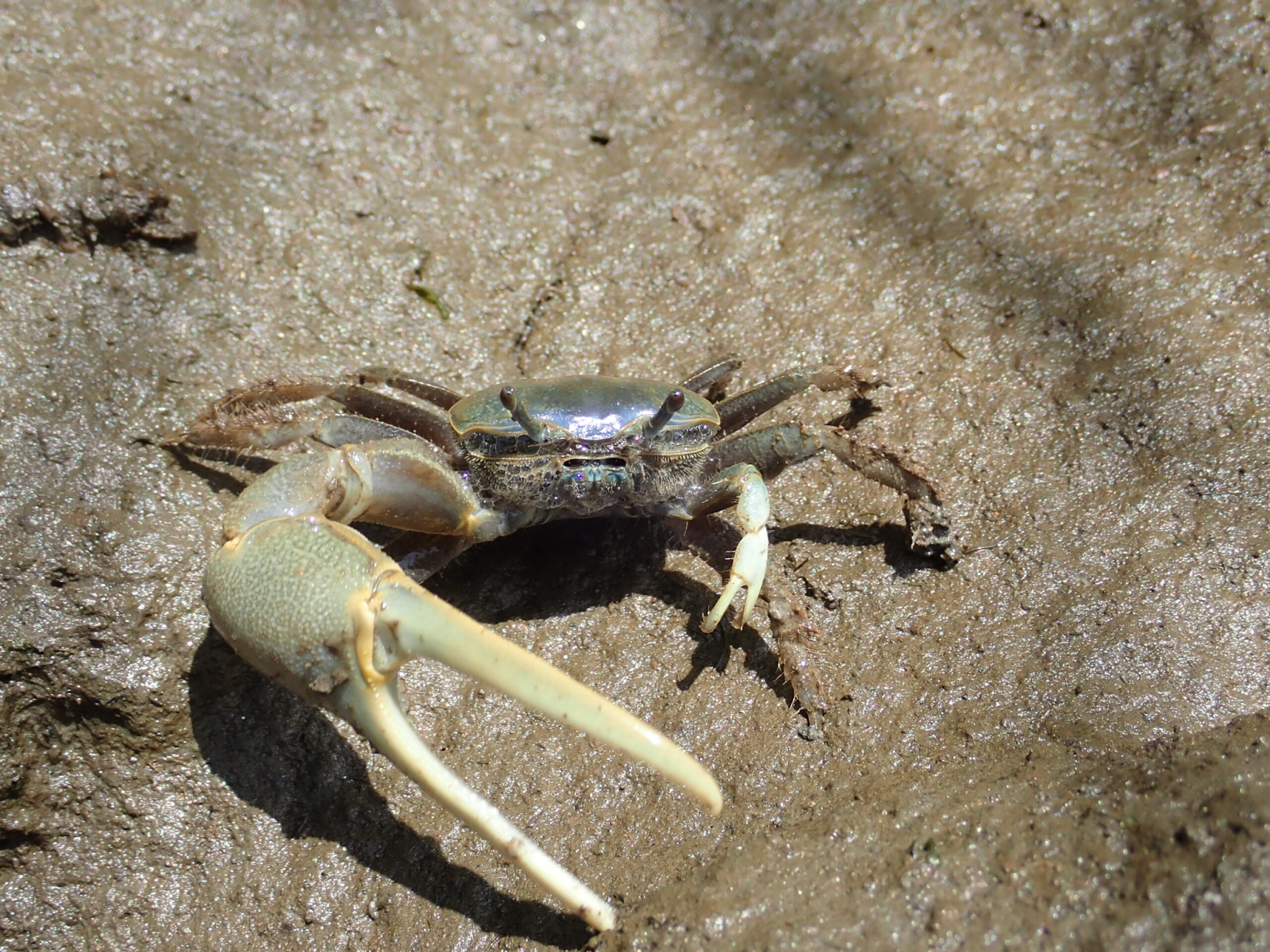
This is a fiddler crab. These guys are usually native to Africa, Portugal, and Southeast Asia, but with the oceans getting warmer, some decided to move to America. They started with Florida, and now, they inhabit New Hampshire, Maine, and Rhode Island.

Armstrong: Now, that’s something that will make you say…

Jake: That’s amazing! Where’s Stinky?

Firefly: He’s unplugging the generator below, but he’ll be back.

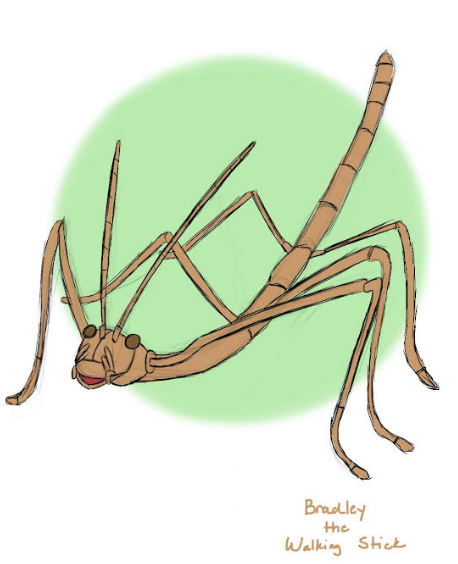
Jake: While we’re waiting for Stinky, from the forests and jungles of the world, please welcome Bradley the Walking-Stick!

(Bunnie carries over Bradley on a leaf)

Bradley: Hi, Jake. Where’s Stinky?

Stinky: I’m back! I was downstairs turning off the generator. I want to stop climate change.

Bradley: I’m glad you want to stop climate change, Stinky. We may not look like it, but climate change is affecting walking-sticks, as well. As you know, eggs need to be in warm habitats to hatch. But with the planet getting warmer, more and more walking-stick babies are hatching. Soon, there will be more walking-stick than trees, which is a problem because we love to eat leaves.

Stinky: This is worse than I thought.

Jake: Bradley. Ix-nay on the imate-clay.

Bradley: Want me to change the subject?

Jake: Yes, please! Tell us about walking-sticks.

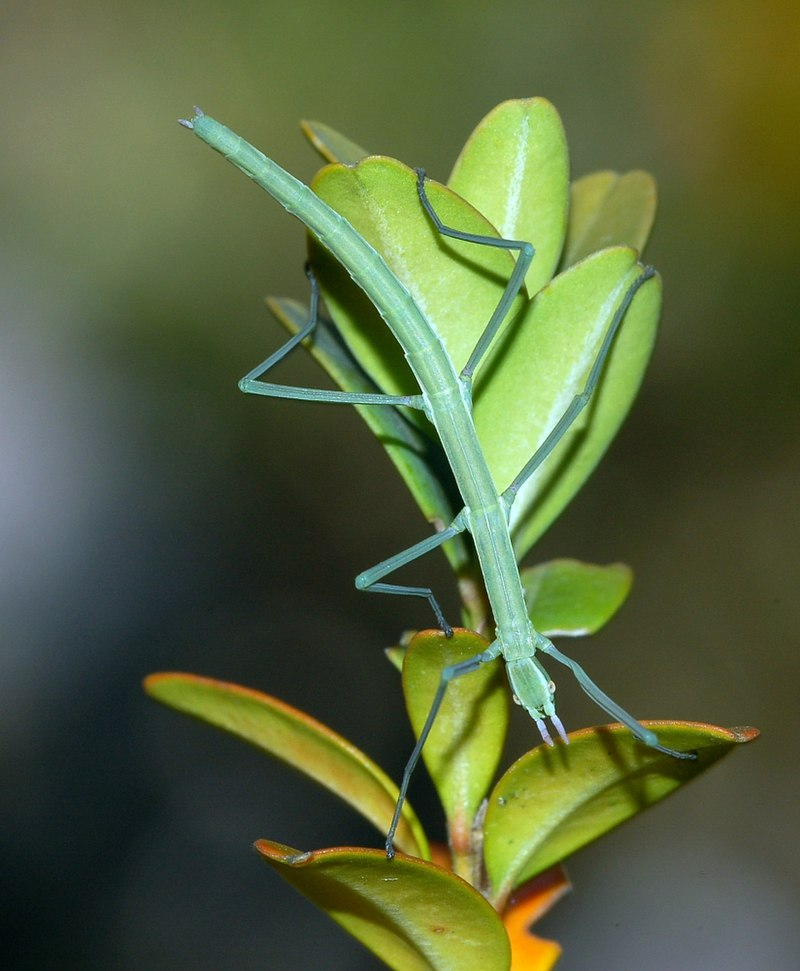
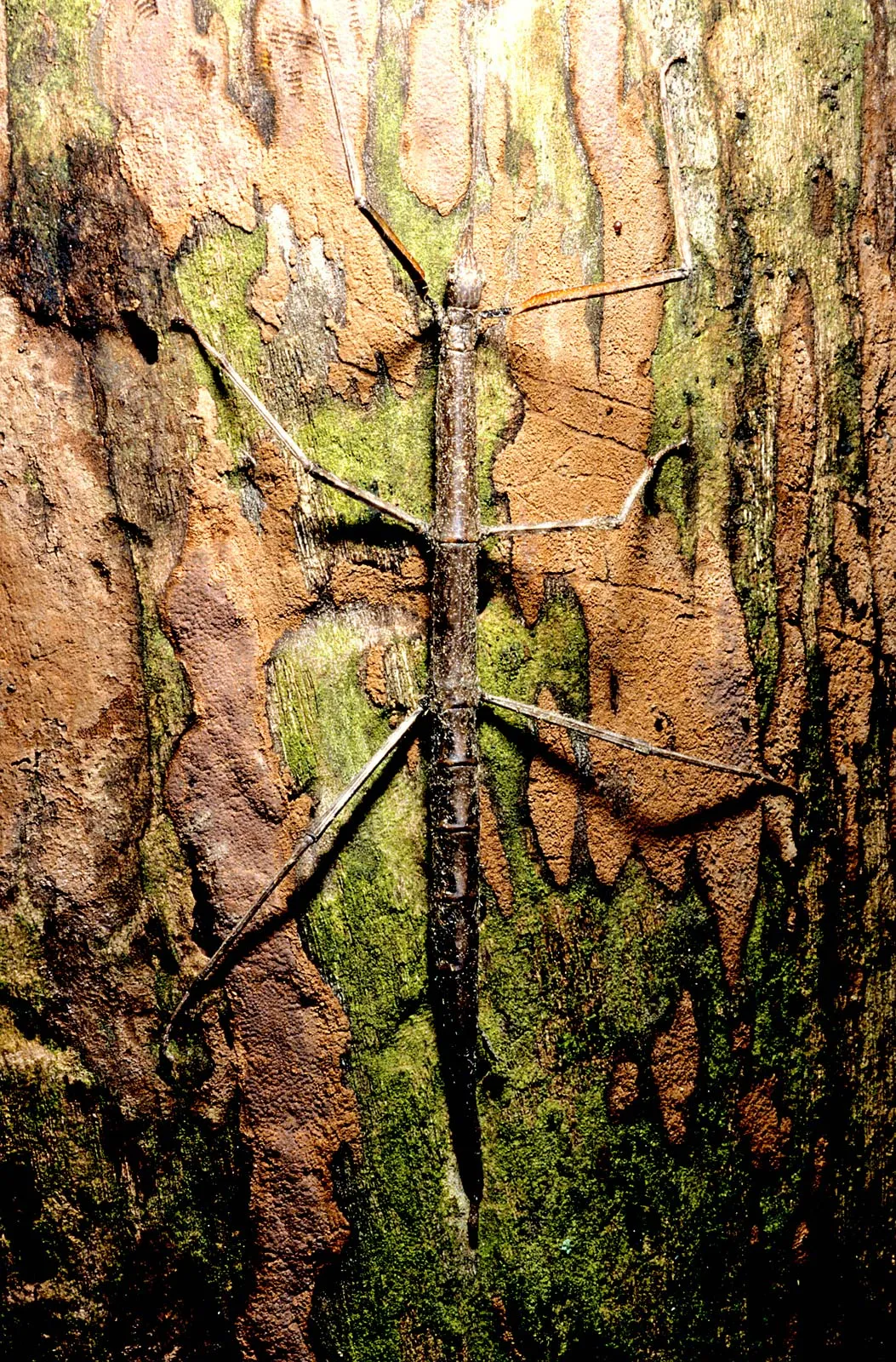
Bradley: Sure thing. First of all, we’re called walking-sticks because we look like twigs, branches, and of course, sticks. We use our unique body to hide from predators, as showcased here!

Stinky: What are you talking about? There are no bugs here!

Jake: Of course there is, Stinky! What do you think that long skinny thing on that tree trunk is?

Stinky: I don’t know. Maybe just a… Wait, I saw it move! It must be a walking-stick!

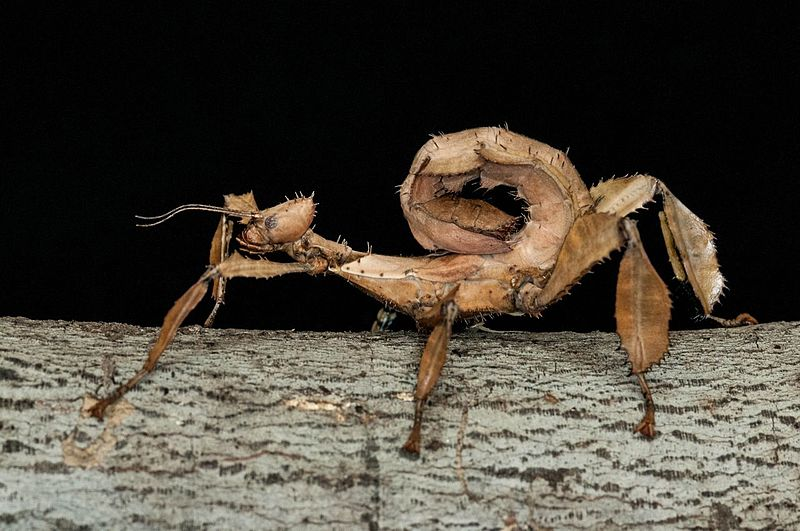
Bradley: You’re a smart skunk. Walking-sticks have adapted to a lot of different habitats, such as my cousin from Australia here.

Stinky: That doesn’t look like a stick.

Jake: Not all walking-sticks look like sticks, Stinky.

Bradley: He’s right, Stinky. In fact, we have a relative called the walking leaf, which looks just like a leaf.

Stinky: It’s the camouflage episode all over again!

Bradley: I better get going. We’d be here all day! Bye for now. (Bradley walks off)

Jake: And now it’s time for…

Jake and Stinky: Baby talk!

Ptarmigan mommy: Kids? Where are you?

Ptarmigan chick: We’re on this bark-like thing.

Ptarmigan mommy: Get down there! This is where people lurk, and you could get hurt.

Ptarmigan chick: But people are nocturnal! C’mon, brothers and sisters.

Ptarmigan siblings: You know, this isn’t as fun as you said it was. Besides, it’s raining. Let’s hide under the thicket until it stops raining.

(cut back to Stinky and Jake with Tizzy)

Tizzy the Bee: Hi, everyone! Time for a quiz! (cuts to the screen below)

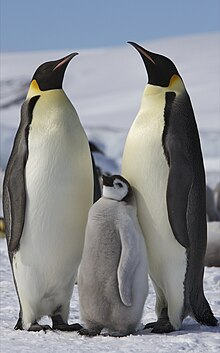
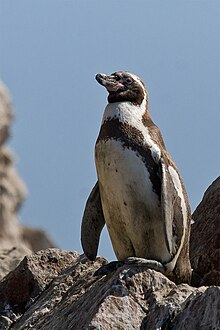
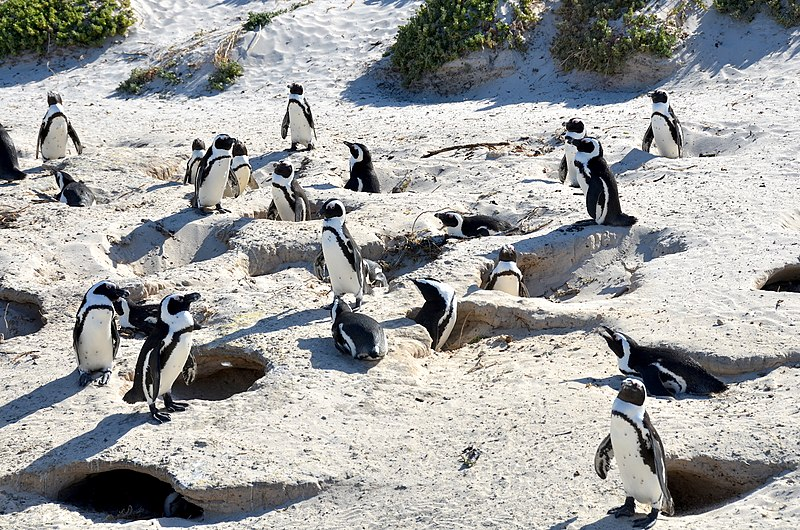
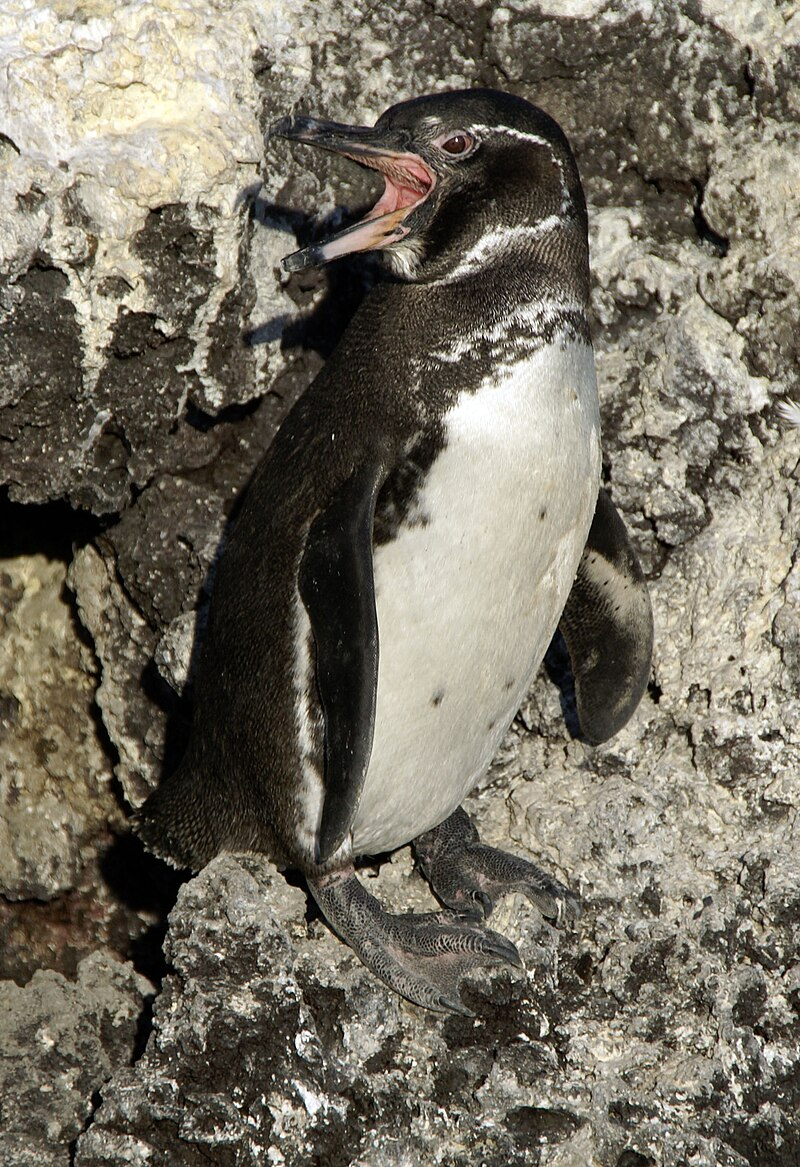
Do all penguins live in cold habitats? Give it a think. Back in a buzz!

(Tizzy flies back to Stinky and Jake, who are having a hard time finding the answer)

Stinky: What do you think the answer is, Jake?

Jake: I can only answer as a polar bear, to which I do live in cold habitats.

Tizzy: Maybe you should hear the question again. (flies back to the previous screen) The question is do all penguins live in cold habitats? The answer is no. There are, in fact, some penguins that live in warm habitats.

The Humboldt penguin lives in the west coast of South America, and they migrate from Peru to Chile.

The Cape penguin lives in South Africa, and even though they live in a warm habitat, these guys are, in fact, endangered. This was because cape penguin eggs from many years ago were considered delicious to humans, but now, they are protected species.

The Galapagos penguin lives in the Galapagos Islands, and they live in caves on the island. Bee-lieve it, because it’s true!
To be continued in Part 2...