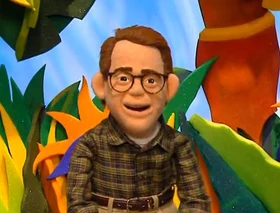
(cuts to Yves in his kitchen)
Yves: Bonjour, bonjour little animals out there! Today, we will be cooking seaweed and prawn. We were supposed to do it in an older episode, but then Stinky unplugged the refrigerator, but now, we can make the recipe in peace. (Stinky runs into the kitchen)
Stinky: Hold on! Skunklock Holmes needs to do some sleuthing. First off, where are you from?
Yves: America, but my parents came from France.
Stinky: Where have you got those ingredients?
Yves: Store bought.
Stinky: And do you plan on releasing these into the wild?
Yves: Heavens no! I plan on cooking these!
Stinky: Cooking these flora and fauna? As in placing them in boiling hot water until they’re no longer alive?
Yves: Uh, oui.
Stinky: Okay, you’re good to go. (walks out of the kitchen)
Yves: Anyway, we take the prawn and plop him in the pot. (picks up prawn and places him in the pot) Then we do the same with the seaweed. (picks up seaweed and places it in the pot) Now, we let them cook for ten minutes, and voila! You’re done! I’ll save this for Jake later today.
(cuts back to Stinky and Jake)
Jake: And now, all the way from Southeast Asia…
Stinky: Asia.
Jake: Give it up for Raya the Burmese Python!
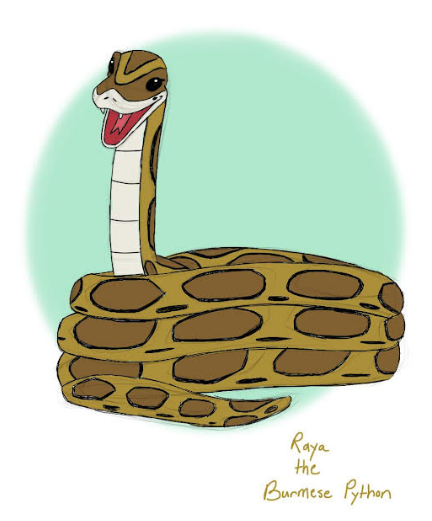
Raya: Hi, Stinky. Hi, Jake. (looks at Stinky) Why are you dressed up as a detective?
Stinky: Skunklock Holmes has been hired to see which animals are invasive!
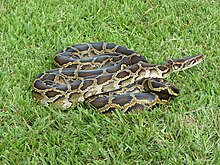
Raya: Well, you caught me red-coiled. Burmese pythons are invasive to Florida.
Jake: How come?
Raya: Well, my grandfather told me that it’s because humans long ago kept us as pets. However, they felt that we were too difficult to raise, and rather than mailing us back to Asia or putting them in animal shelters, they released us in Florida. Now, we cover many places in Florida, including the Everglades. Our favorite food includes alligator and spoonbill eggs, raccoons, foxes, and rabbits.
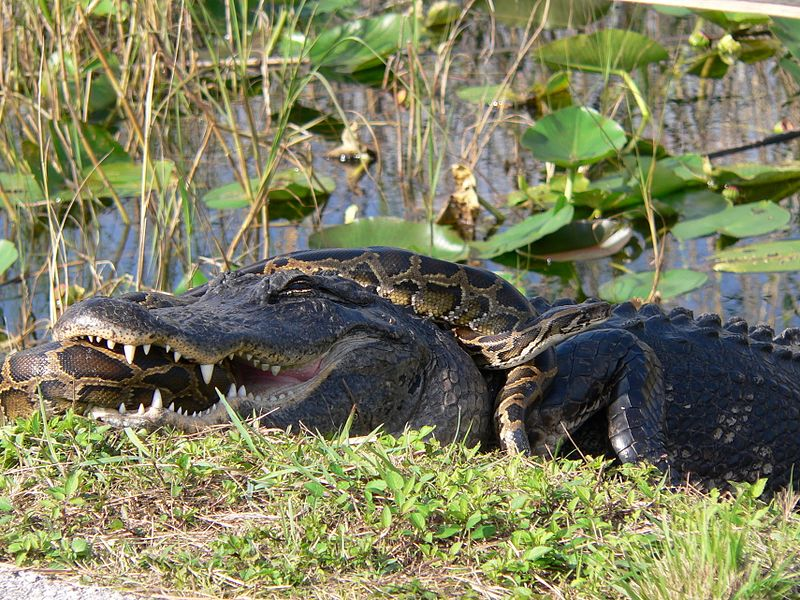
Stinky: But those are animals native to Florida! You’ll disrupt the ecological balance!
Raya: Who cares about the ecological balance? Florida is a better home than Asia ever was! In fact, I feel like singing a song about it.
Jake: And now, here’s Raya singing ‘I Love Florida’.
Raya: I love Florida, it’s my new home
Especially when there’s food that roams!
Who cares about some stupid gators?
I heard they taste like chicken and taters!
There are many cool places in Florida to romp
Especially the Everglades Swamp!
I love it in Florida, why would I leave?
I can choke deer until they no longer breathe!
Florida’s my new home, and I here to stay
And I won’t budge, even if you’re strong prey!
Stinky: How about a smelly one?
Raya: Hmm? (Stinky sprays Raya, making her go unconscious) She’s all yours, Dave! (Dave the Human walks over to grab Raya)
Dave: You’re going to the Southwick Zoo, you slippery serpent. Thank you, Stinky. You’re a hero for capturing an invasive animal.
Stinky: You’re welcome. And don’t forget to thank Skunklock Holmes.
Bunnie: And now it’s time for the Animal Awards! Today, the award for the strongest animal!
Armstrong: Am I nominated?
Bunnie: Can you lift a hundred pounds?
Armstrong: No.
Bunnie: That’s okay, Armstrong. (Stinky runs towards Armstrong and Bunnie to check if they’re invasive)
Stinky: Where are you from?
Armstrong: I’m as American as apple pie, thank you very much.
Bunnie: And I’m a brown bear, found in Eurasia and North America.
Stinky: Very well. You can continue with the Animal Awards. (walks off)
Bunnie: Anyway, could the winner be… the elephant?
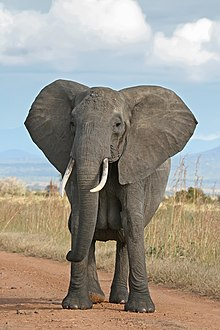
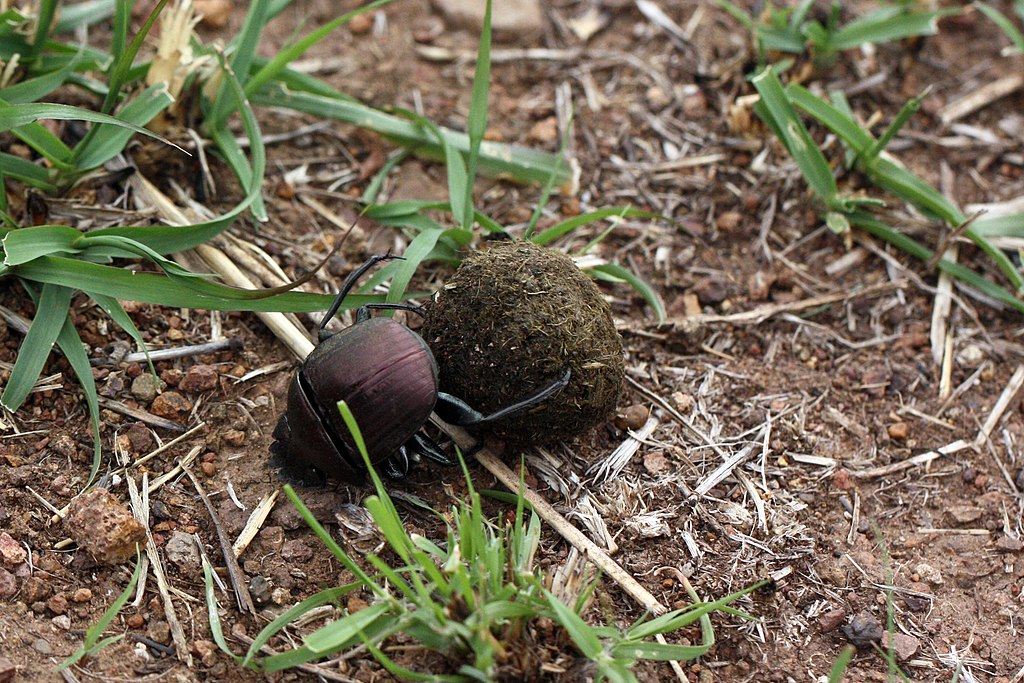
Armstrong: The dung beetle?
Bunnie: The tiger?
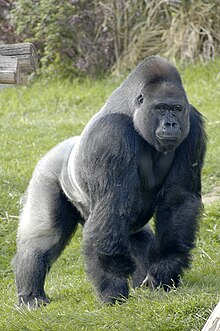
Armstrong: Or the gorilla?
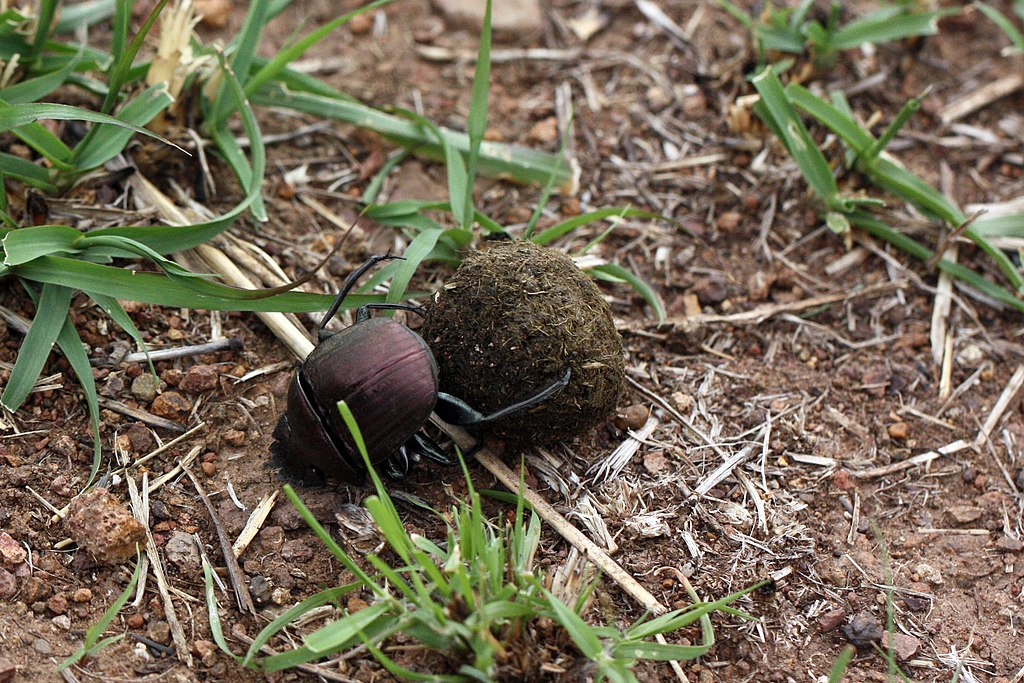
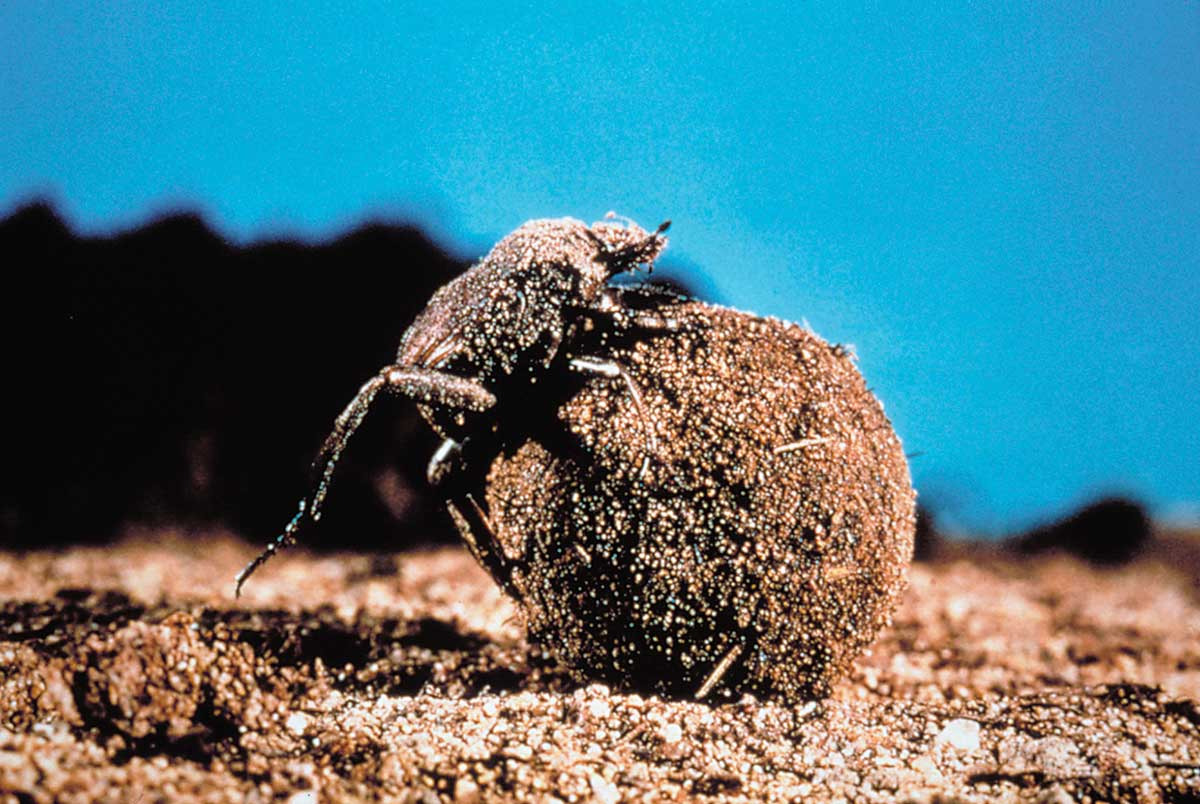
Bunnie: And the winner is… the dung beetle, which can roll balls of dung 1,100 times bigger than the beetle!
Armstrong: You’re telling me that a bug is stronger than a tiger, gorilla, and an elephant working together?!
Bunnie: You bet!
(cut back to Stinky and Jake)
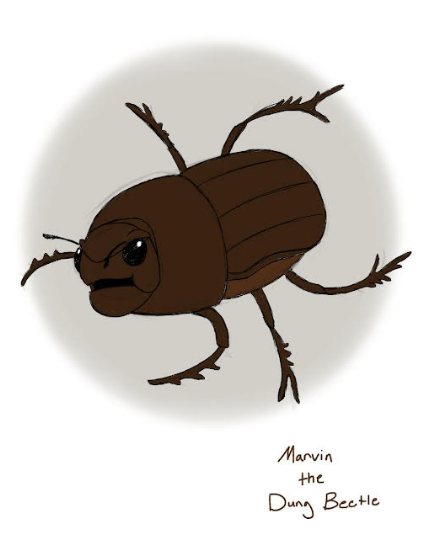
Jake: And now, it’s time for a story. It’s an old favorite with Dibby the Dung Beetle. “Once upon a time, there was a dung beetle named Dibby, and he was the best at doing what a dung beetle does, which, of course, is rolling dung! In fact, there was not a ball of dung that Dibby couldn’t roll. Or so he thought. But then one morning, he came upon his greatest challenge. ‘This dung ball is so big and beautiful,’ He said. ‘I know I can roll it. Oh, this is perfect.’ Thought Dibby. ‘It’s so lovely and round that I can roll it forever.’ And that’s when Dibby decided it was the best ball of dung he’d ever found. ‘It’s so nice and round and easy to roll.’ Said Dibby. And to celebrate his discovery, Dibby declared that he would keep on rolling that ball just as far as he could. So, watch where you go, and you might just see Dibby the Dung Beetle doing what a dung beetle does best: Rolling and rolling and rolling along. The end.”
Stinky: That was a good story, Jake. When do you think we’ll see Marvin again?
Jake: Maybe he’ll send a postcard before the end of the episode. (Yves runs over to give Jake his latest dish)
Yves: Here you go, Jake! Cooked seaweed and prawn.
Jake: Thanks, Yves!
(cut to Armstrong and Bunnie in front of the habitat door)
Bunnie: Okay, Armstrong. It’s Habitat Time! Today, we’re going to the Everglades!
Armstrong: The Everglades? Didn’t Raya say that there are Burmese pythons in the Everglades?
Bunnie: Don’t worry, Armstrong. We’ll be safe. (opens the door) Now let’s go!
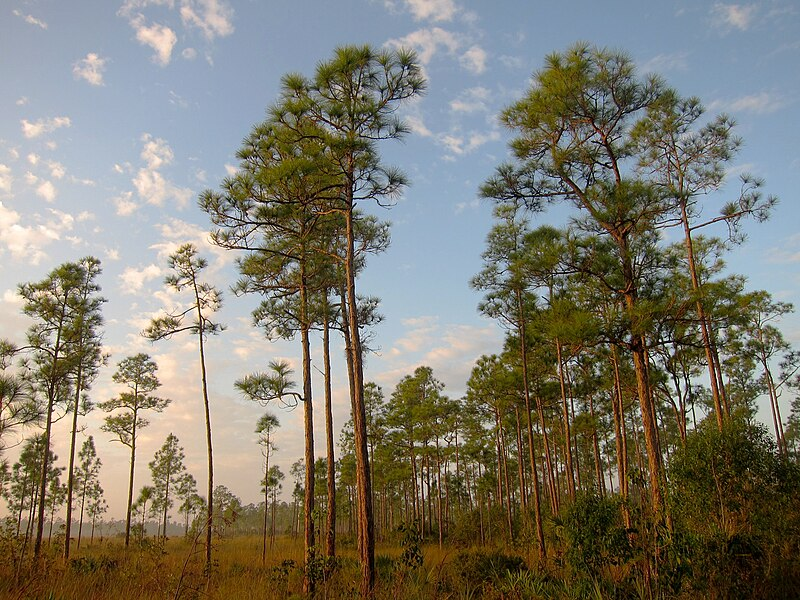
The Everglades in Florida is home to 2,000 species of plants and animals, 70 of which are endangered.
Armstrong: Endangered? Looks like we have to watch where we step.
Bunnie: Correct, Armstrong.
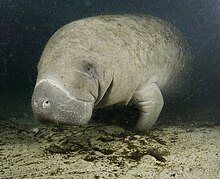
These are manatees, and even though they look like whales and dolphins, these animals are, in fact, closer related to elephants!
Armstrong: That’s related to an elephant?! That’s like saying a woodpecker is related to a toucan!
Bunnie: That’s true, too.
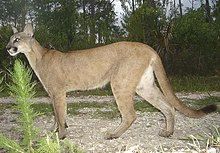
Ooh, a Florida panther! These are very rare cats found only in Florida.
Armstrong: What happened to them?
Bunnie: Humans have been killing them with diseases, habitat loss, and even running them over!
Armstrong: Man, these guys need to be protected.
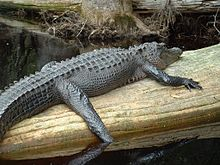
Help! A crocodile!
Bunnie: That’s not a crocodile, Armstrong! That’s an alligator, and they’re found throughout the swamps of Florida, Mississippi, and Louisiana.

Armstrong: I didn’t know deer can swim.
Bunnie: These key deer are great swimmers, but they also do well on land.
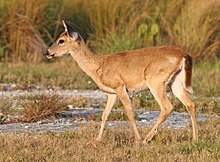
Armstrong: Well, talk about that.
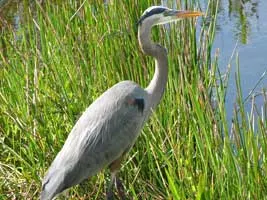
I know who that is: That’s my pen pal Hank Heron!
Bunnie: Herons are one of many birds native to Florida, though they have homes in other states as well.
(Bunnie and Armstrong leave the Everglades and head back to the Animal Show studio)
Bunnie: For Habitat Time, it’s Bunnie Bear-
Armstrong: And Armstrong the chickenhawk.
Bunnie: Just back from the Everglades.
(Tizzy flies around Stinky and Jake again)
Tizzy: Tizzy here! Time for a quiz! (cuts to the screen below)
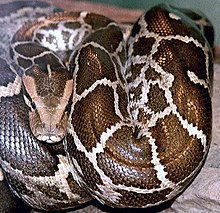
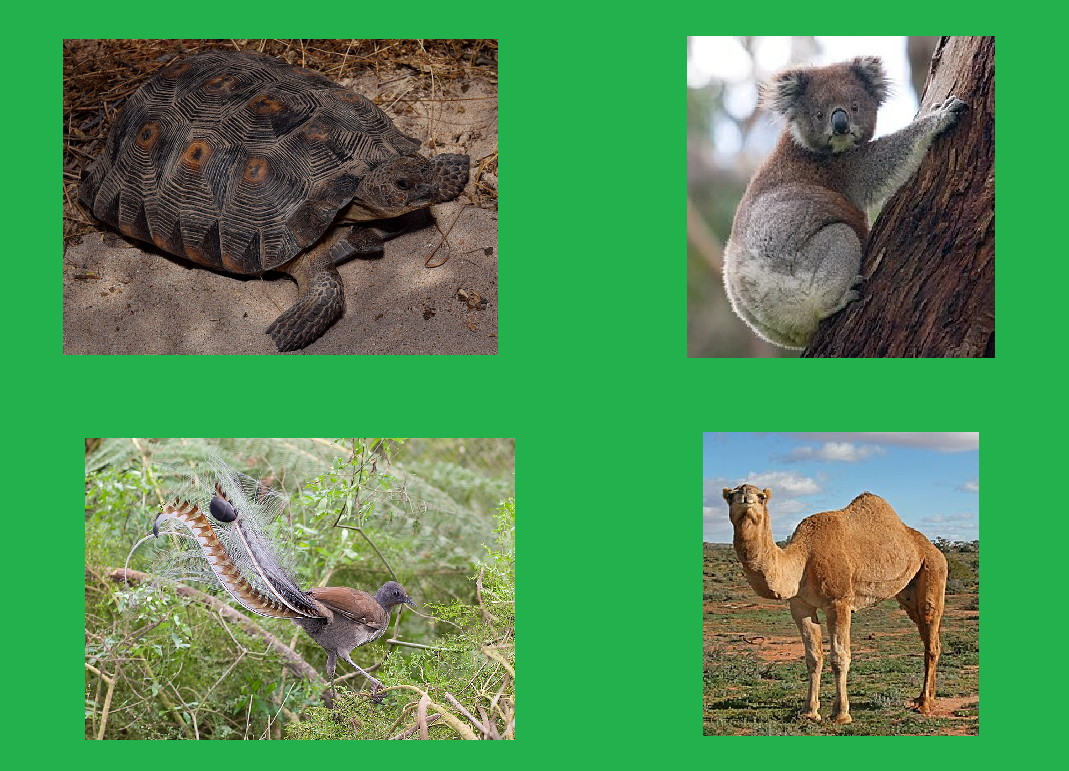
How many different species of python are there? Give it a think. Back in a buzz!
(cut back to Stinky and Jake, who are having a hard time finding the answer)
Jake: Let’s see. There’s the Burmese python, Indian python, Woma python, ball python, and Reticulated python. That counts five. How many pythons do you think there are, Stinky?
Stinky: Maybe twelve?
Tizzy: Well, here’s the answer: There are about 39 different python species around the world. Bee-lieve it, because it’s true!
Jake: Thanks for the quiz, Tizzy! Once again, that’s all the time we have today, and remember to…
Stinky: Jake, Jake! Look! Here’s a postcard from Marvin! “Dear Stinky and Jake, I have moved to Bushveld in South Africa and have made many new friends, beetle and non-beetle alike. There are lots of vertebrates that make lots of dung, and I decided to roll them up into balls and eat it. Some day, I hope to find a lady dung beetle. Wish me luck! From Marvin”. He loves it in Africa! Another case solved.
Jake: As I was saying, remember to keep seeing the world through the eyes of animals!
Author's Notes: Stinky and Jake actually did visit the Brushlands in the episode 'Warthog and Baboon'. In this episode, Jake wants to visit the Brushlands, while Stinky wants to visit Smelly World. Luckily, the feud is settled when a new Smelly World opens up in the Brushlands, allowing the characters to visit both places.
Dave the Human was featured in the Animal Show episode 'Indian Elephant and Human', which featured a Muppet caricature of Dave Goelz, best known for doing Gonzo. Since Goelz was doing Stinky, Dave the Human was performed by Bill Barretta, who also performs the fan-favorite crustacean Pepe the King Prawn.
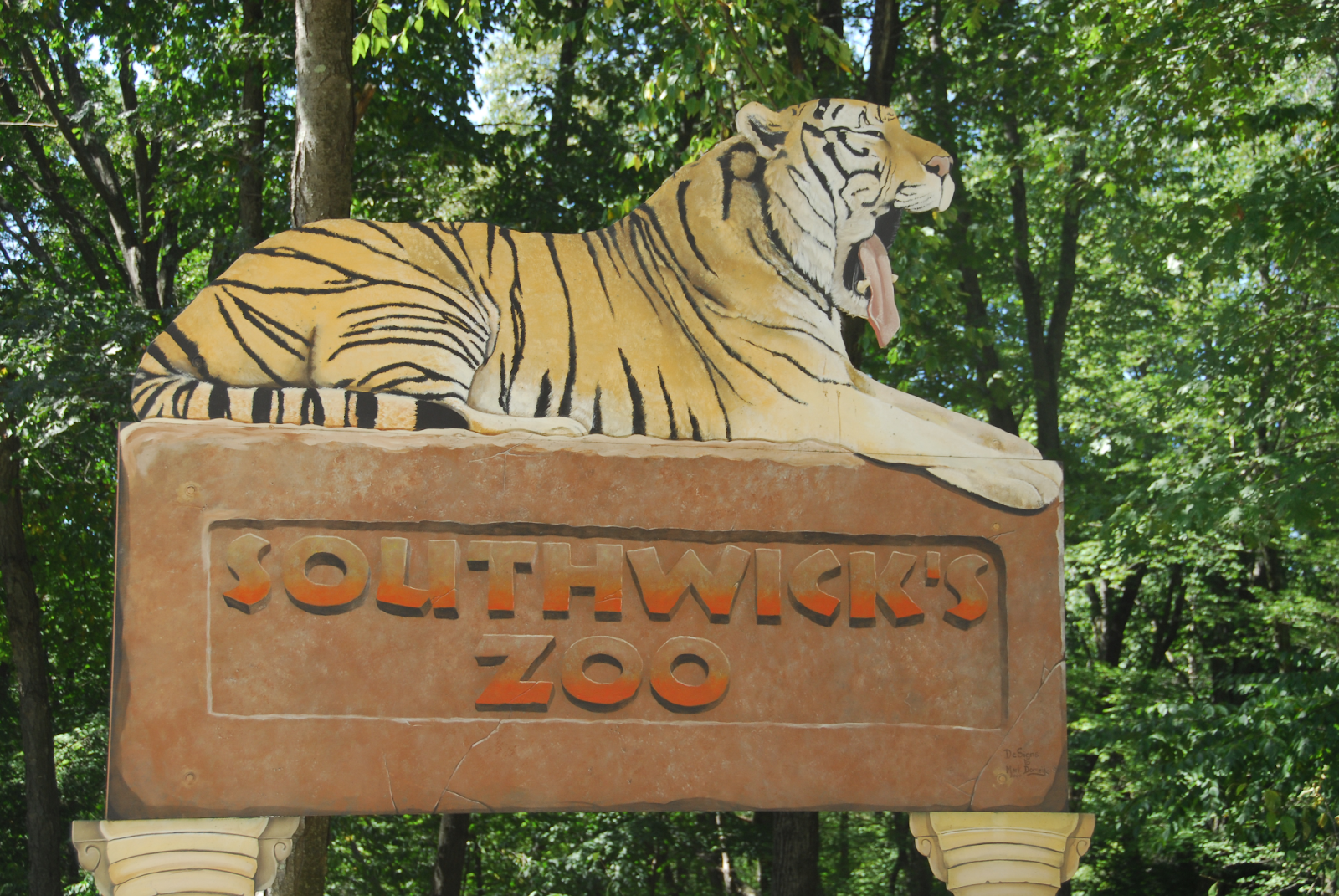
The SouthWick Zoo is a zoo located in Mendon, Massachusetts. It's home to over 850 animals representing 150 different species! I strongly recommend visiting this zoo if you live in New England!
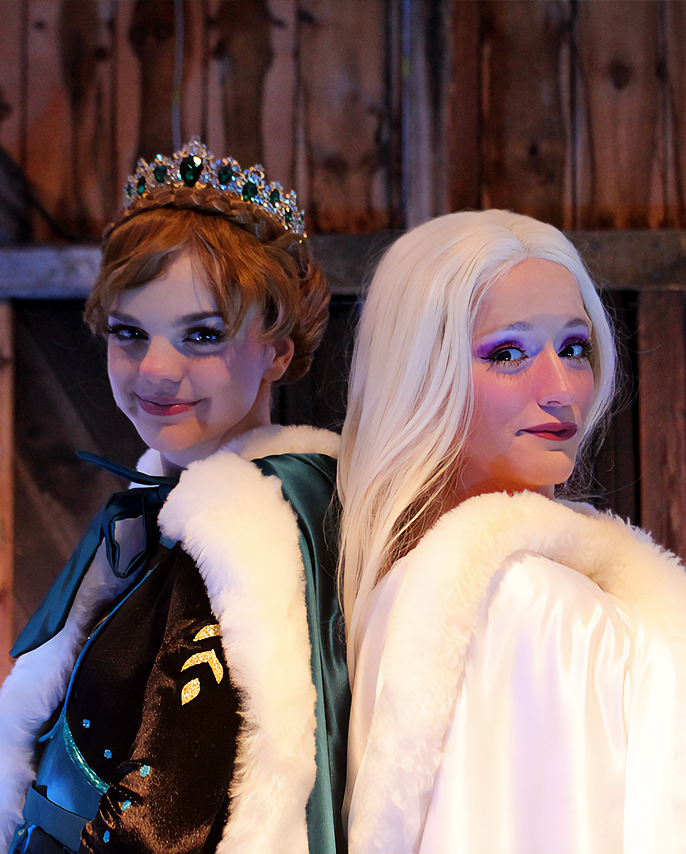
During the Winter season (November 18th-New Year's Eve), you'll even find the world-famous Norwegian sisters Anna and Elsa of Frozen fame!
The story of Dibby the Dung Beetle was also told in the Animal Show episode 'Elephant and Hunting Dog' which was all about African animals.
Back in my old neighborhood, we had a heron who'd routinely sneak around our pond and eat our fish. We named him Hank Heron, a play on baseball legend Hank Aron.
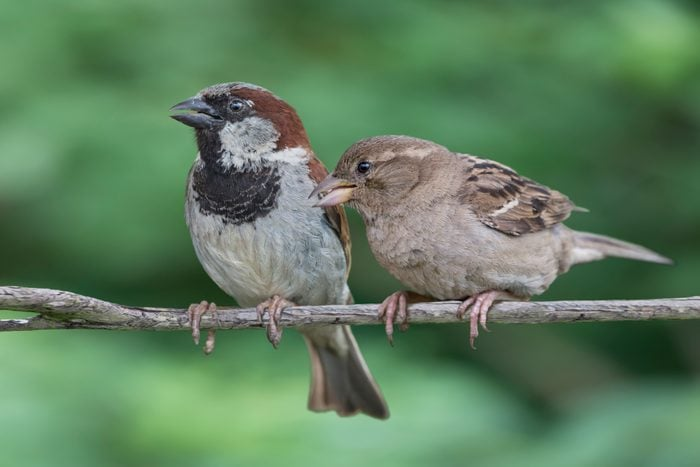
I chose sparrows as animals for today's Baby Talk because I felt that readers would be grossed out by baby snakes or beetle larvae. Besides, house sparrows are, in fact, invasive species: These birds (which come from Europe) have been introduced to most of North America, Central and South America, southern Africa, parts of West Africa, Australia, and even New Zealand.
If any of you out there is from Australia, please tell me if I made a mistake about dung beetles!
Tizzy saying 'Ding-dong, you're wrong' is inspired by this piece of dialogue between Big Bird and Oscar in Christmas Eve on Sesame Street.
Big Bird: Hey, I know Oscar! Santa Claus covers himself with butter so he can slip right down the chimney.
Oscar: Ding-dong, you're wrong. And do you know what else? I don't think there is a way he can get down the chimney. That's what else. And if he doesn't, no you-know-whats tomorrow morning.
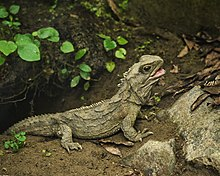
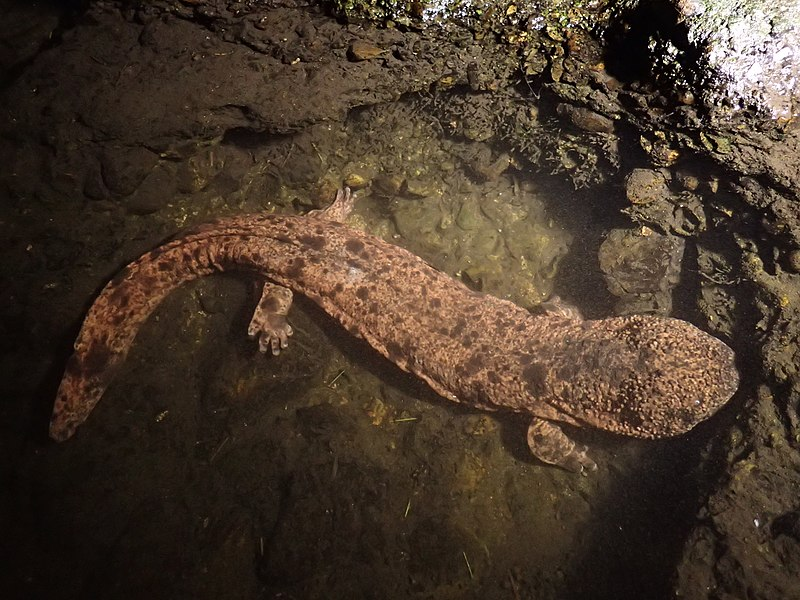
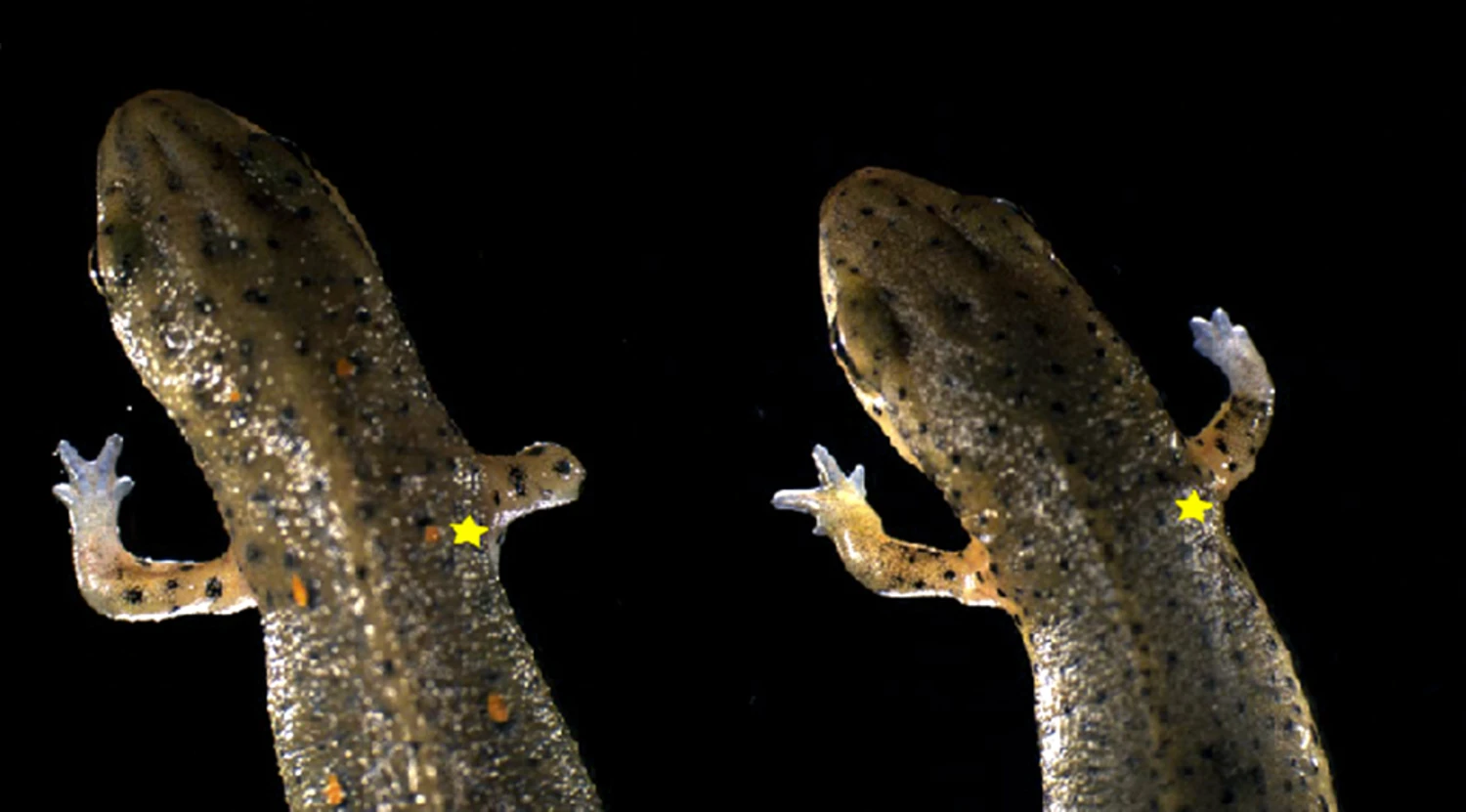
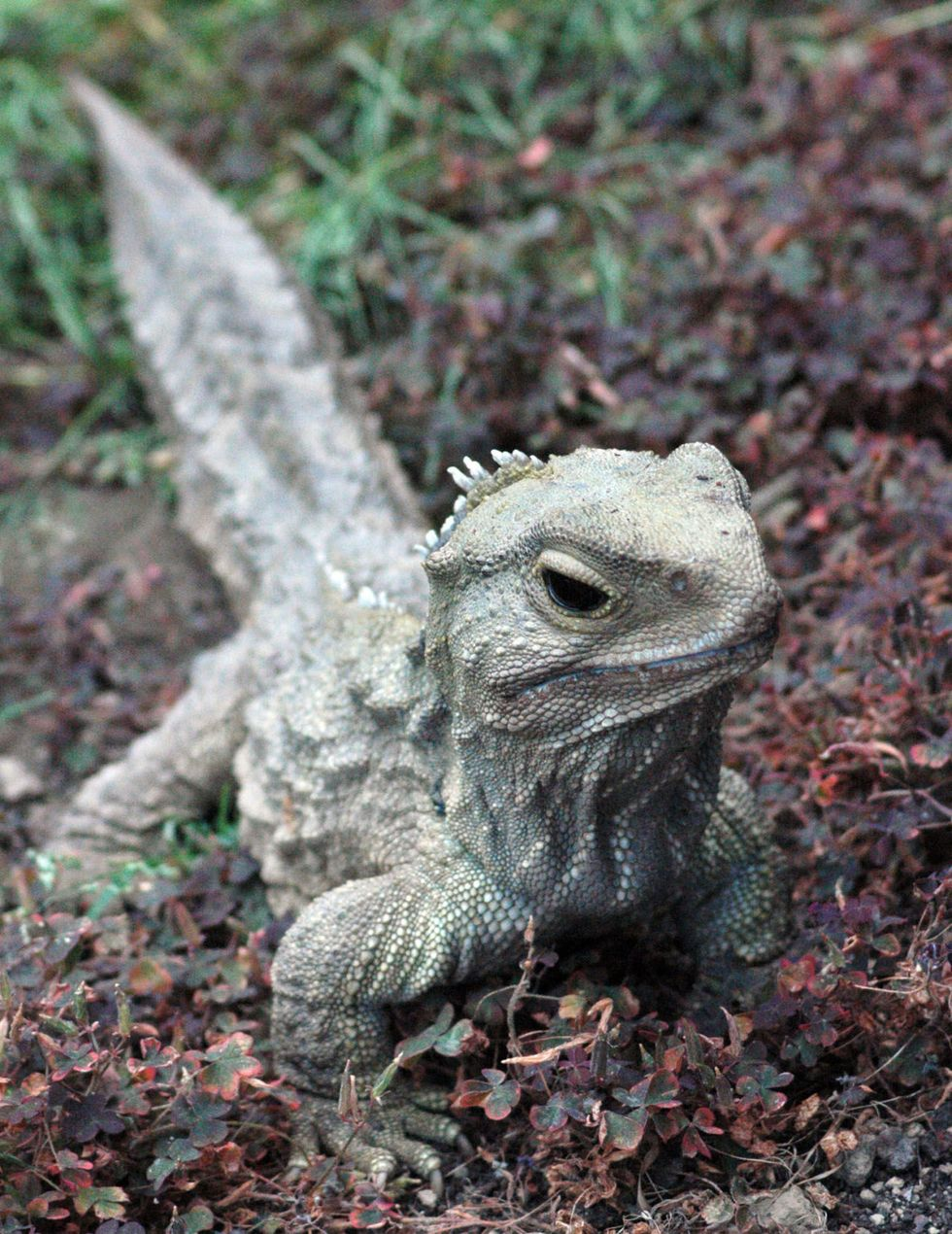
Next week, you'll learn about convergent evolution when the guest stars are a tuatara and a salamander!