Wednesday, February 7, 2024

The Animal Show- Axolotl and Lobster Part 2

Jake: And now, let’s see what’s cooking in the kitchen with Yves St. La Roche.

(cuts to Yves in his kitchen)

Yves: Bonjour, bonjour little animals out there! Today, we will make clam chowder. First, we need a clam, and luckily for today, I have a hole in the floor with water inside. Maybe we will find a clam! (pulls out a fishing rod and starts fishing) Let’s see what we’ll get. Oh, I felt a pull! (pulls out an empty soda can) An empty can? This will never do! (throws it behind him) Oh, another pull! (pulls out a crab) It’s the same crab from the camouflage episode. Maybe he’ll be more cooperative this time. (the crab pinches Yves’s hand and escapes) Another pull! There must be a clam this time. (pulls out an oyster) Not just a clam, an oyster! You will make great chowder. (the oyster closes itself on Yves’s nose) Well, at least we have the main ingredient. Excuse me while I go to the doctor to get this bugger off.

(cuts back to Stinky and Jake)

Jake: And now, from the oceans of the world…

Stinky: World.

Jake: Please welcome Steve the Lobster!
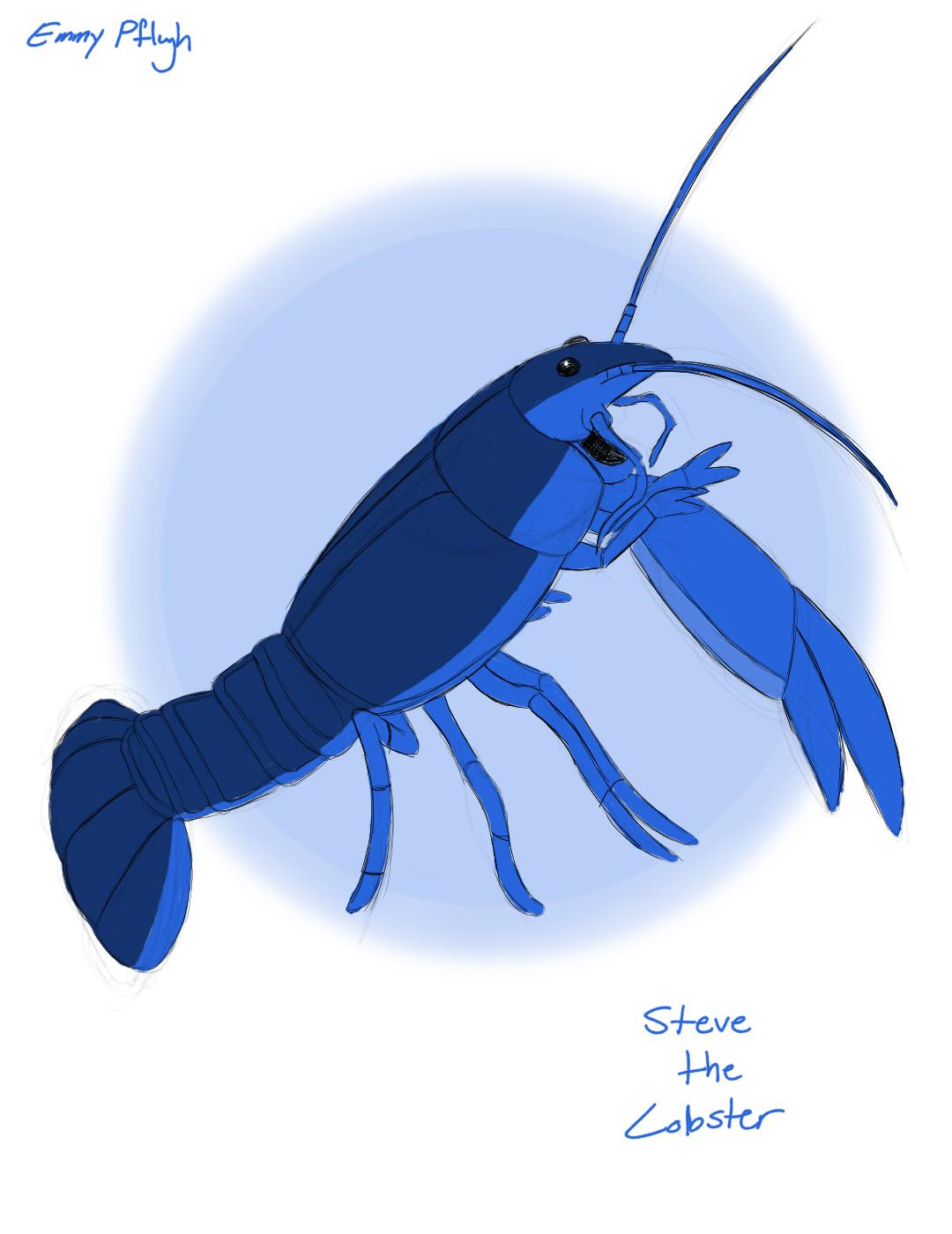
Steve: Hi, Stinky. Hi, Jake. I bet you’re wondering what happened to my left claw, I lost it in a fight with another lobster, but please don’t worry! My claws and legs always grow back.

Stinky: Shouldn’t you be in water?

Steve: We lobsters can survive some time without water.

Jake: Do you have any videos about lobsters, Steve?

Steve: Do I ever!
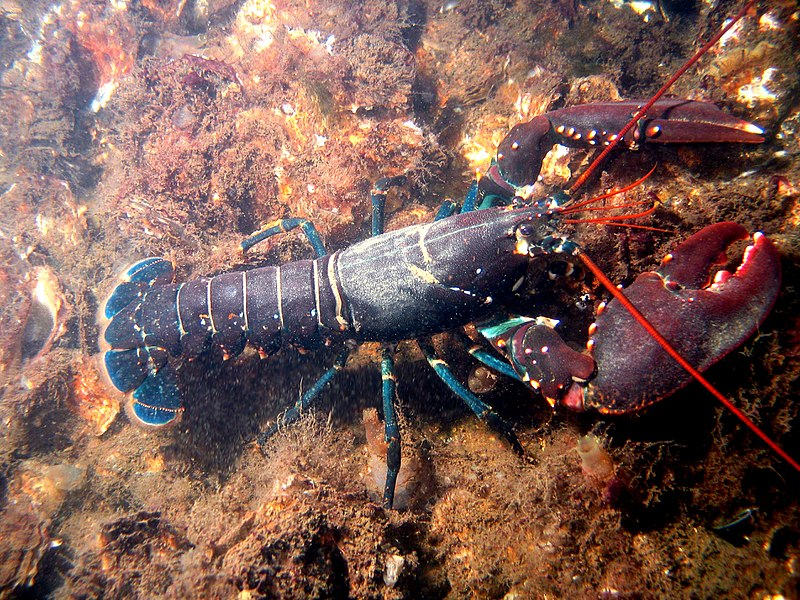
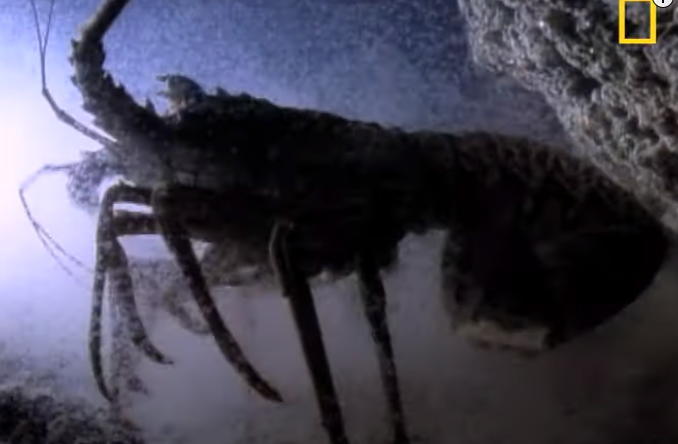
Stinky: Hey, I thought lobsters were red. That guy’s black, and you are blue!

Steve: Only when we’re cooked by humans. Lobsters are naturally blue or black.

Jake: You use your claws as weapons, right?

Steve: Uh-huh. We deliver a powerful pinch, so you better be careful when handling a lobster!
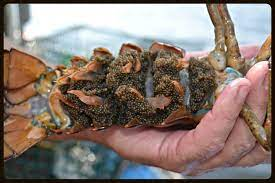
Another thing about us lobsters, we care deeply about our children. So much so that my wife carries the eggs on her tail, like so!

Stinky: Shouldn’t your wife give that human a pinch?

Steve: Don’t worry about her. Humans never capture lobsters carrying eggs.

Jake: And how long does it take for a lobster to reach adulthood?

Steve: As many as seven years. Sorry if I sound off-topic, but can I sing a song?

Jake: Yes you may. And now, here’s Steve singing ‘The Lobster Song'.

Steve: Being a lobster can be tough

Especially when the other animals are rough

There are many animals that want lobster dinner

But a pinch from my claw will make me a winner!

Sometimes, however, my claw or leg gets ripped off

But there's no need to cry in a cloth!

But after five years, it's as good as new

It even works when I only have legs of two!

And the best part of all, I saved for last

Because I know it's a blast

While other animals leave their eggs by themselves

We put ours underneath our shells!

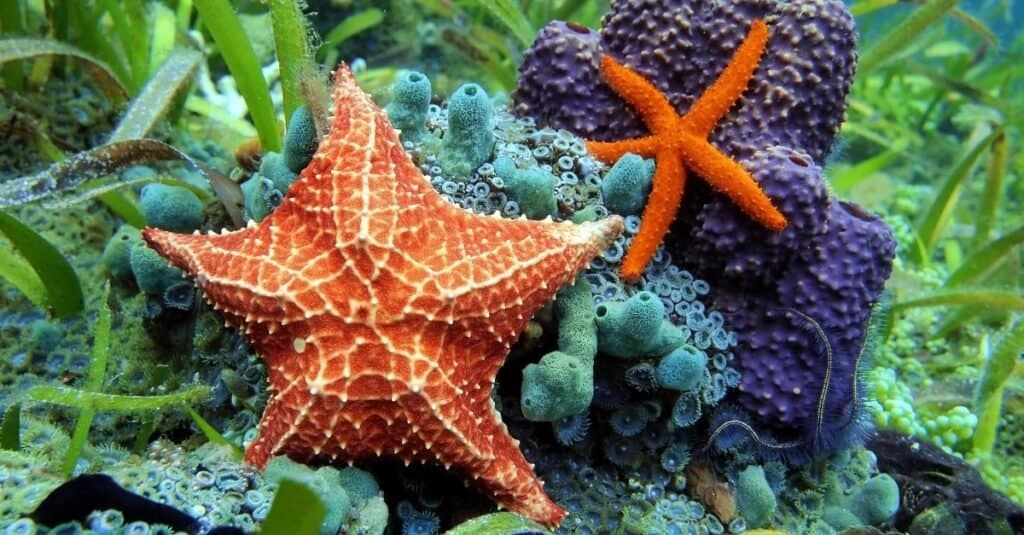
Bunnie: And now it’s time for the Animal Awards! Today, the animal with the best regeneration. Could it be… The starfish?
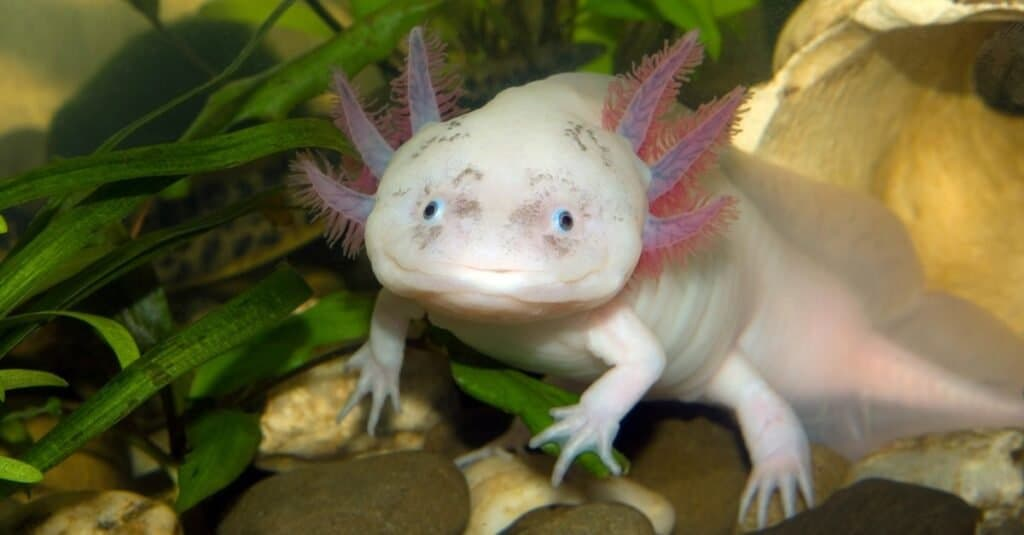
Armstrong: The axolotl?
Bunnie: The lobster?

Armstrong: Or the deer?
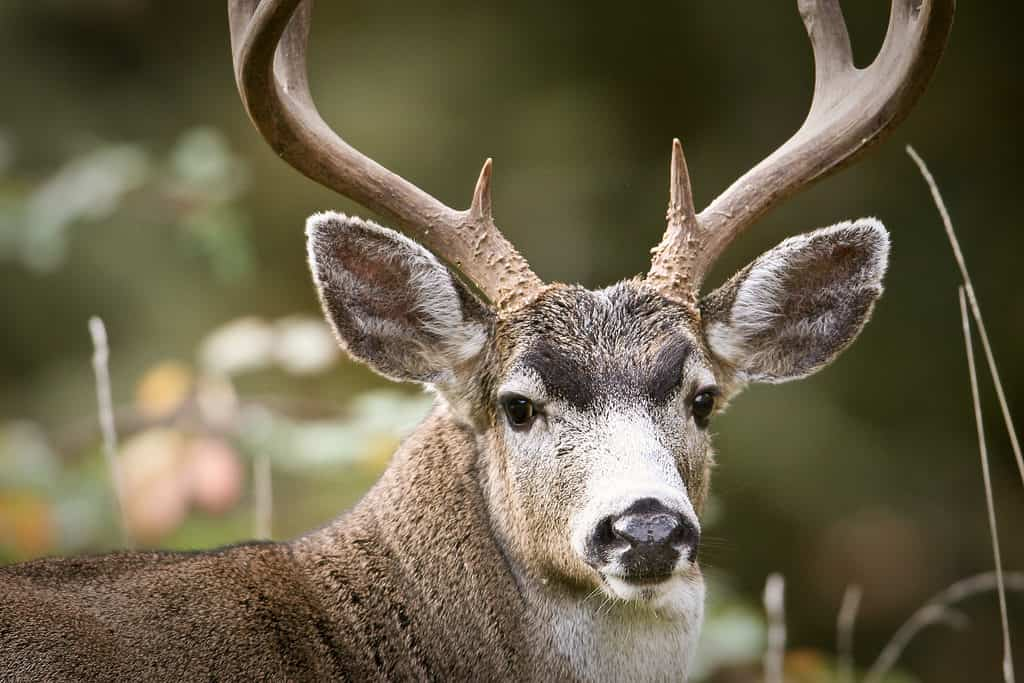
Bunnie: And the winner is… The starfish! When one of its arms gets cut off, it not only grows back, but the dismembered arm turns into another starfish!

Armstrong: That’s cool and creepy at the same time.

Bunnie: Back to you, Stinky and Jake!

Jake: And now, it’s time for a story. “Once upon a time, there was an anole named Andy. Andy had a very long tail for an anole, and he was proud of it. One day, however, he was chased by a raccoon. ‘You’ll make a nice tasty snack!’ Said the raccoon, and he chased Andy all over the swamp. He grabbed his tail, and was ready to eat Andy, but then he remembered that his tail can be torn off if necessary. Andy let the raccoon tear off his tail, and he quickly climbed up a tree. ‘I may have lost my tail, but at least I still have my life. Besides, it will grow back!’ Soon, Andy’s tail grew back, and he lived happily ever after. The end.”

Stinky: That was a good story, Jake. Now that you think about it, regeneration sounds cool, though skunks should not try it at all.

Jake: Or bears.

(cut to Armstrong and Bunnie in front of the habitat door)

Bunnie: Okay, Armstrong. It’s Habitat Time, and today, we’re going to Mexico City!

Armstrong: A city? As in humans around every bend?

Bunnie: Exactly, but if you look hard enough, you’ll see some cool animals!

Armstrong: Alright. Besides, I’ve been told that falcons live in the city.

Bunnie: Then let’s go! (opens the door, and they end up in Mexico City)

Welcome to Mexico City, the largest city in the country!
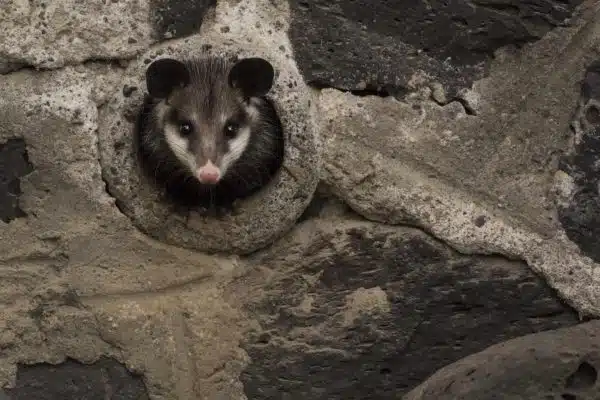
Armstrong: You can’t have a city without rats.

Bunnie: That’s not a rat, that’s a possum! They’re the only marsupials that can be found outside of Australia.

Armstrong: Oh. I knew that.
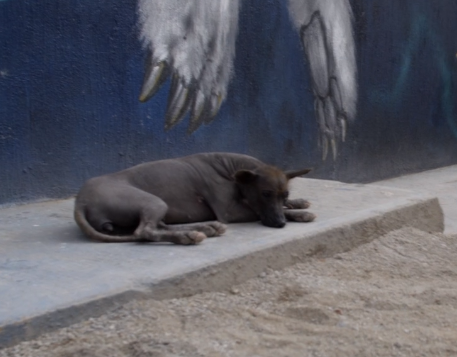
Oh, that’s just another dog.

Bunnie: That wasn’t just another dog, Armstrong! That’s the Xoloitzcuintli, or a xolo dog. The Aztecs believed that these dogs guided those who died through a place called Mictlan.
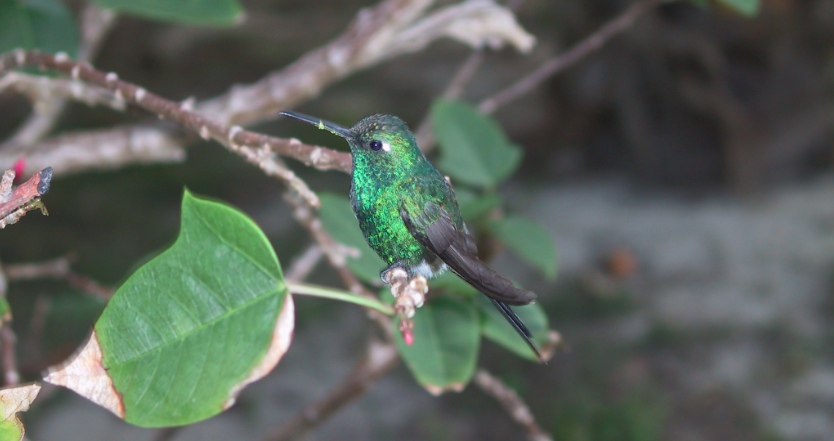
Armstrong: A hummingbird in the city?! Now I’ve seen everything.

Bunnie: Even though Mexico City is one of the most polluted cities on Earth, there are over 22 hundred different wildlife species!
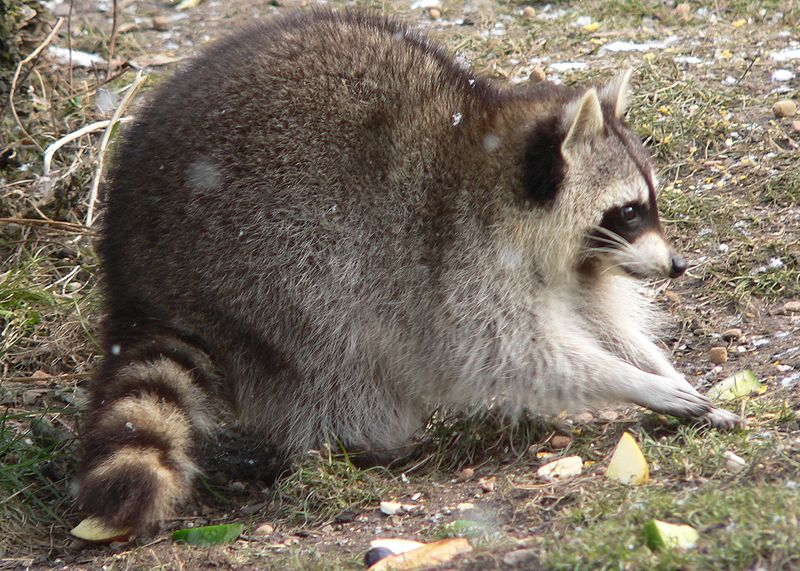
Armstrong: I know what that is: It’s a raccoon! But I thought raccoons were only found in America.

Bunnie: Not quite, Armstrong. Raccoons also live in Canada, Mexico, and even South America. They also have relatives in China called the red panda.
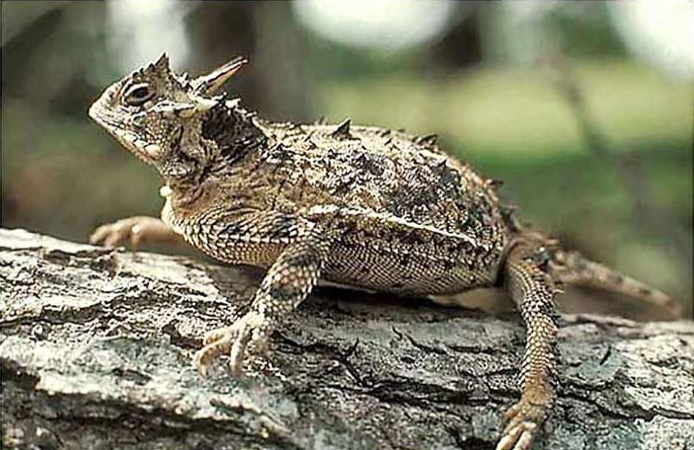
And here’s a horned toad.

Armstrong: What are you talking about? That’s a lizard. Toads are basically frogs if they never got kissed by humans.

Bunnie: Horned toads are a type of lizard, Armstrong.

Armstrong: Well, you learn something new every day!

Bunnie: And once again, we have to head home.

(Bunnie and Armstrong leave Mexico City and head back to the Animal Show studio)

Bunnie: For Habitat Time, it’s Bunnie Bear-

Armstrong: And Armstrong the chickenhawk.

Bunnie: Just back from Mexico City.

(Tizzy flies around Stinky and Jake again)

Tizzy: Quiz time!

Jake: And what’s the quiz this time?

Tizzy: Well, here it is! (cuts to the screen below)
The question is can lobsters live in saltwater? Give it a think. Back in a buzz!

(cut back to Stinky and Jake, who are having a hard time finding the answer)

Stinky: My answer would have to be no. What do you think, Stink?

Jake: I already forgot the question.

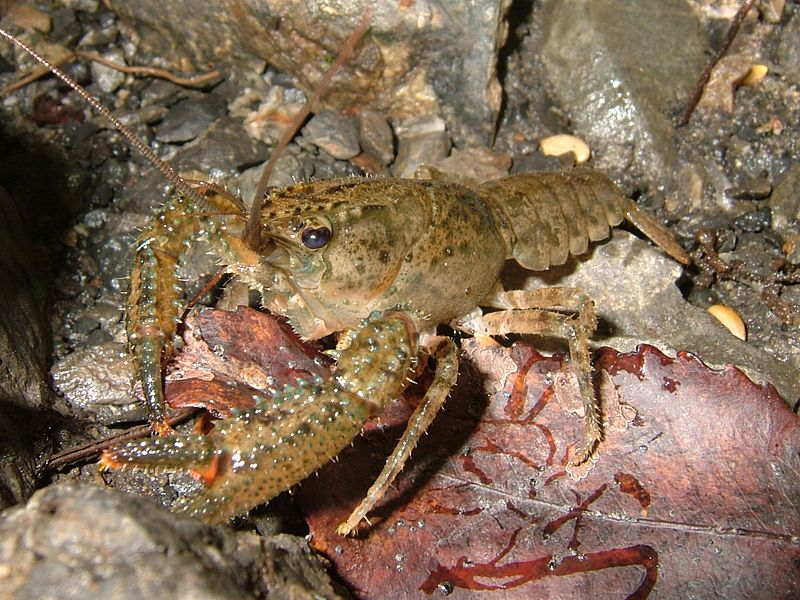
Tizzy: Maybe you should hear the question again. (flies back to the previous scene) Can lobsters live in saltwater? The answer is no, but they do have a freshwater relative: The crayfish, which looks like this. Bee-lieve it, because it’s true!

Jake: Thanks for the quiz, Tizzy. That's all the time we have today, and until next time, keep seeing the world through the eyes of animals. Bye!

Author's Notes: The human showcased in Tizzy's first quiz is, in fact, my partner Emmy Pflugh!

This isn't the first time Yves St. La Roche had a bivalve close itself on his nose. In the episode 'Elephant and Hunting Dog', Yves got his nose caught on a clam when he demonstrated how some animals use their noses to find food.
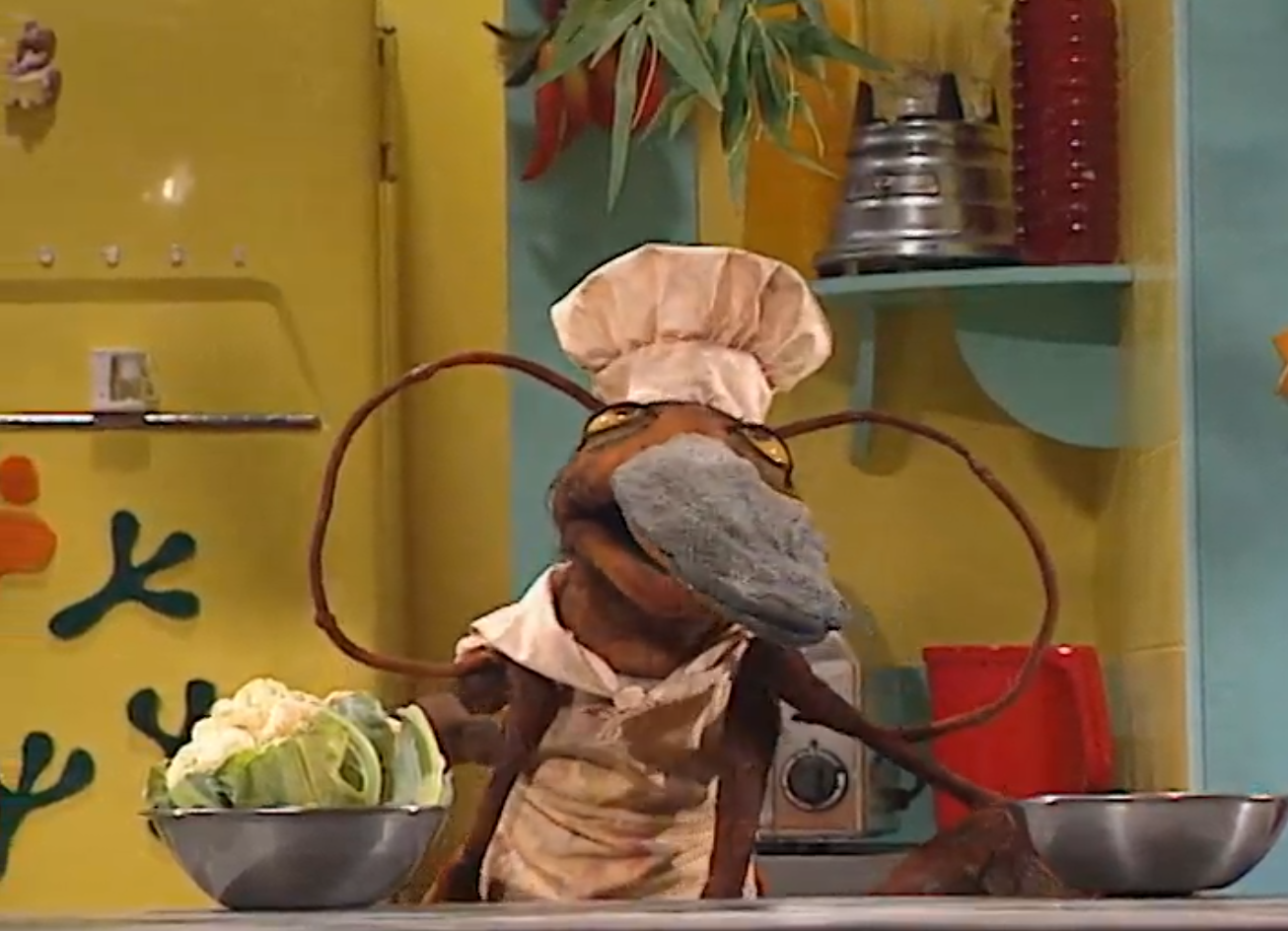
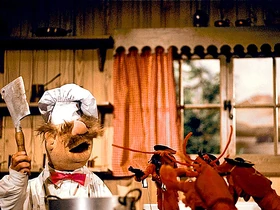
Steve the Lobster is named after Muppeteer Steve Whitmire, while his design is based on the lobsters that would appear from time to time on The Muppet Show.
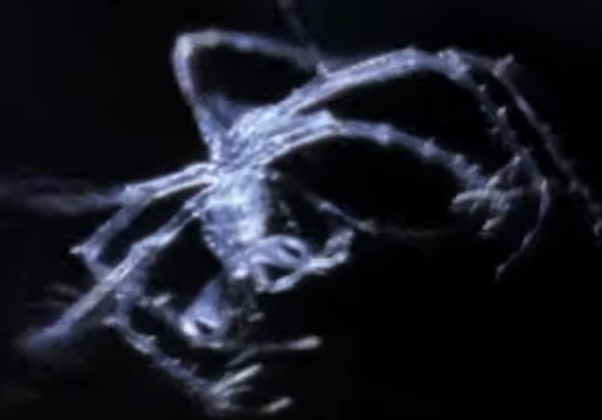
Baby lobsters courtesy of National Geographic.

Next week, you'll learn about how some animals live in cold habitats when the guest animals are a snow monkey and a puffin!

The Animal Show- Axolotl and Lobster Part 1

Stinky and Jake: Here on the Animal Show.

Here on the Animal Show.

Here on the Animal Show!
Bunnie Bear: From under the ocean, over the clouds, and around the world…

Armstrong the Chickenhawk: Here comes the wild side of wild life.

Bunnie: The Animal Show!

Armstrong: And now, let’s have a wild welcome for your furry friends-

Bunnie: Stinky and Jake!

Stinky and Jake: Now it’s The Animal Show!

Jake: Hello, all you animals out there!

Stinky: I’m Stinky.

Jake: And I’m Jake. And today, we are going to meet the axolotl and the lobster, both of which are animals that can do regeneration.

Stinky: What’s regeneration?

Jake: Regeneration is when an animal’s leg, claw, antler, or tail grows back after being cut off.

Stinky: You mean if I cut my tail off, it will grow back?

Jake: Sorry, Stinky. Regeneration only happens to certain animals. Skunks are not one of them.

Armstrong: And now, it’s time for…

Bunnie: That’s amazing! Today, we look at a lobster without claws.

Armstrong: A lobster without claws? That’s like a bird without feathers!

Bunnie: Not for the spiny lobster! Look.

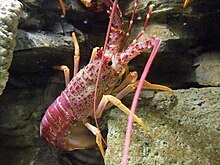
Found in tropical oceans, spiny lobster may not have claws, but it has two large antennae and a spiny exoskeleton that provides it protection from predators.

Armstrong: Now, that’s something that will make you say…

Stinky and Jake: That’s amazing!

Jake: And now, all the way from Mexico….

Stinky: Mexico.

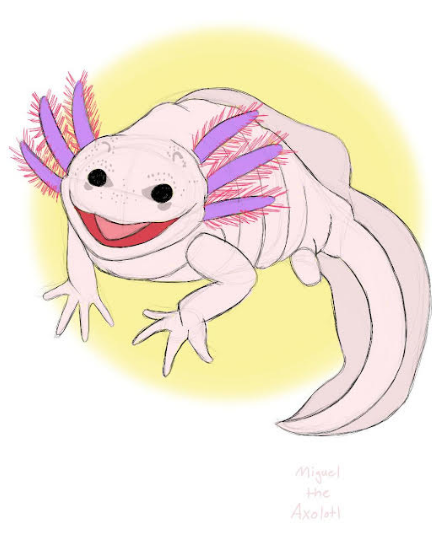
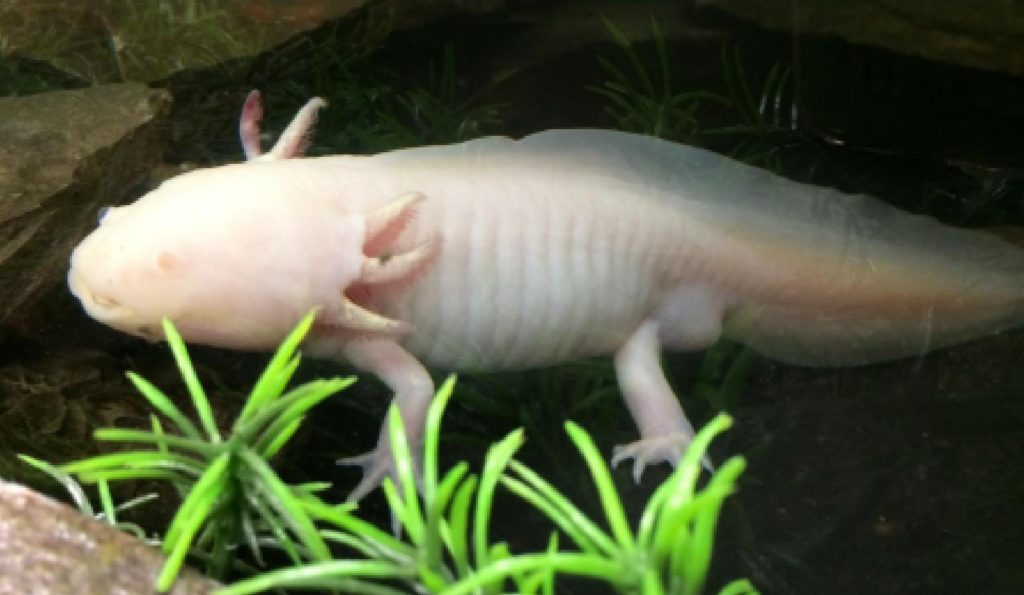
Jake: Please welcome Miguel the Axolotl!

(Bunnie carries over Miguel in a tank, though he’s missing his lower right leg)

Miguel: Hi, everyone. It’s a pleasure to be far away from humans for once.

Stinky: What happened to your leg?

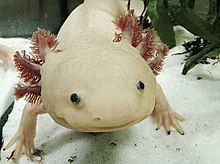
Miguel: Oh, that? A fish ate my leg, but don’t worry. It grows back.

Jake: Tell us, Miguel. You’re an amphibian, but you need to live in water at all costs.

Miguel. We do, Jake.

Even though we have lungs, we’re still really bad on land.

Stinky: Then why do you have legs instead of fins?

Miguel: We used to live on land, but mutations caused us to live in our lakes that kept us from living on land.

Jake: And is it true that you’re endangered?

Miguel: Worse than that: Critically endangered! There are only about a thousand of us left, though it could be less than that! Tizzy will tell you about the details later.

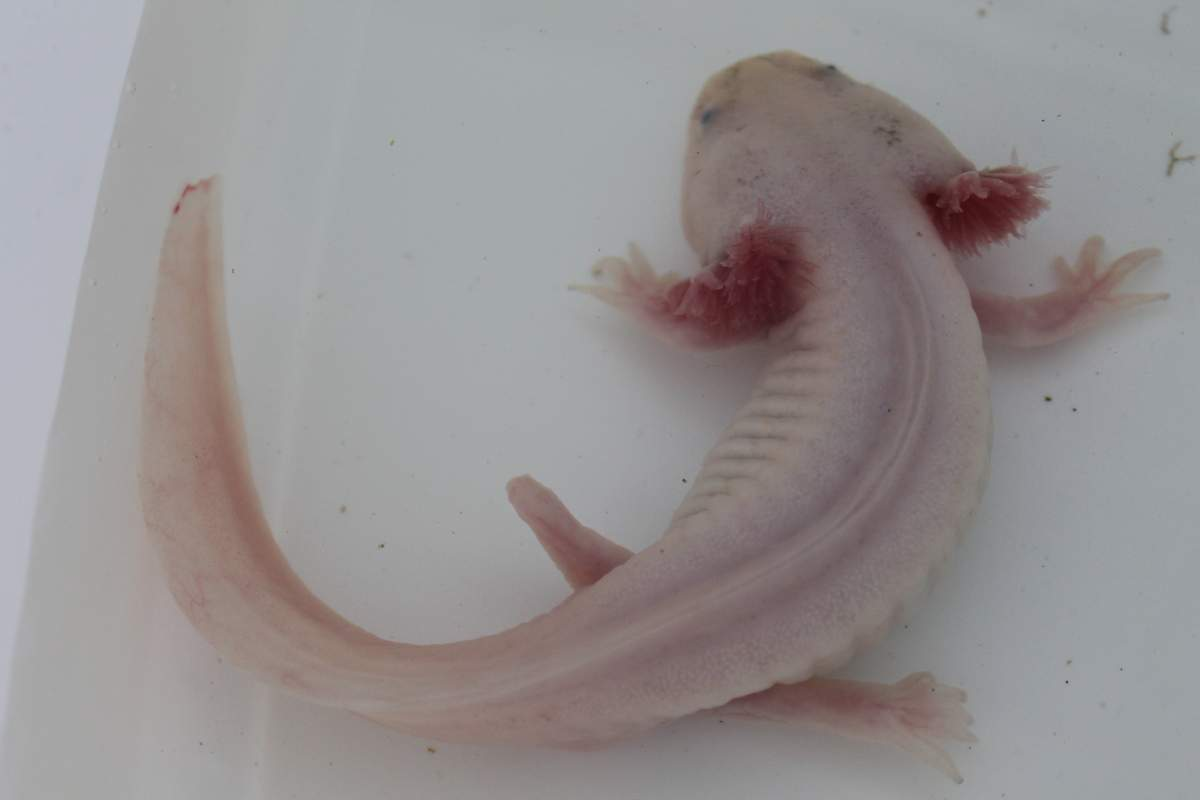
Jake: And before you go, do you suppose you should show another axolotl with a missing leg?

Miguel: Sure.

See, Stinky? It happens to all axolotls!

Stinky: Does it hurt?

Miguel: Yes, but they always grow back! I better get out now. I miss living in Mexico.

Jake: Bunnie will bring you back in a few minutes. But first, it’s time for…

Jake and Stinky: Baby talk!

Mommy Lobster: It’s been a year since I laid these eggs, and now, it’s time for them to hatch! C’mon, little ones!

Baby Lobster 1: Who’s that gigantic monster in front of us?!

Baby Lobster 2: Don’t worry. I’m 90% sure that’s mom.

Baby Lobster 3: Are we always gonna be this small, or will we get as big as you?

Mommy Lobster: It will take many years for you to reach adulthood, but I’m sure that you’ll make great lobsters one day!

(cut back to Stinky and Jake with Tizzy)

Tizzy the Bee: Hi, everyone! Time for a quiz! (cuts to the screen below)

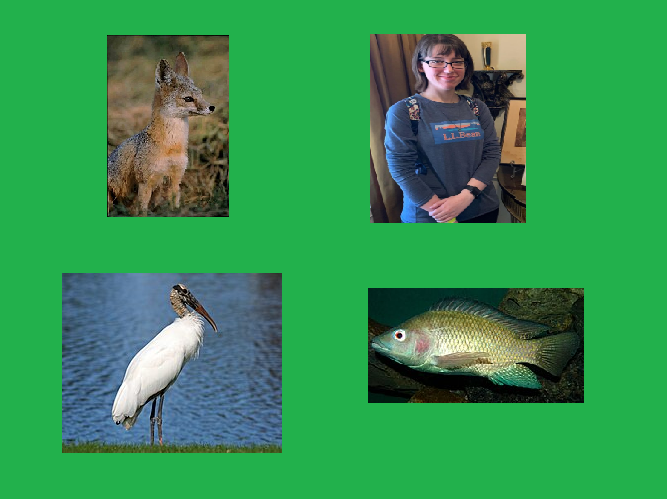
Which of these animals is the biggest threat to the axolotl? The fox, the human, the stork, or the tilapia fish? Give it a think. Back in a buzz!

(Tizzy flies back to Stinky and Jake, who are having a hard time finding the answer)

Stinky: Do you know the answer, Jake?

Jake: I already forgot the question.

Tizzy: Maybe you should hear the question again. (flies back to the previous screen) Which of these animals is the biggest threat to the axolotl? The answer is, unfortunately, humans. This is because Lake Chalco and Lake Xochimilco, where they live, have been drained and polluted by the growth of Mexico City. The people take clean water out of the lakes for drinking, and make the remaining water dirty with pesticides, fertilizers, minerals, and rubbish. Invasive fish species, such as tilapia and carp, also compete with axolotls for food. Bee-lieve it, because it’s sadly true.
To be continued in Part 2...

Monday, February 5, 2024

Madagascar bEQUAL Animal Trivia Game review

Today, since my review of Orion and the Dark has been delayed to February 12th, I decided to do something different by reviewing a video game: The Madagascar bEQUAL Animal Trivia Game!

What is this game about? Well, this game tests your knowledge on how much you know about real animals with Marty, Alex, Gloria, and Melman hosting the questions. Players can pick between four characters from the movies: The semi-sophisticated chimp Mason, the adorable mouse lemur Mort, the flamboyant ring-tailed lemur King Julian the 13th, and Masakuro, a chameleon who was cut from an earlier draft of Madagascar 1.

Players can then pick the difficulty of their questions by picking between Scout, Explorer, and Navigator rank. As Skipper puts it, Scout Level is for recruits 6-9 years of age. Explorer Level is for ages 10-13. Navigator Level is for ages 14 and up.

However, this is how I view the ranks.

Scout- Easy

Explorer- Medium

Navigator- Hard

Anyway, now you’re ready to play the game! The question categories include…

Anagrams, in which Gloria hosts word puzzles that slowly reveal themselves as time goes by. If you answer correctly within the orange range of the stopwatch, you’ll move ahead two spaces!

Melman’s Munchies, in which the neurotic giraffe hosts multiple choice questions with a time limit. You have to answer them quickly before the correct answer grows from the bottom of the screen.

Multiple Choice, in which Gloria (again) hosts multiple choice questions.

Open Response, hosted by Alex, in which you have to shout the answer out loud. After shouting your answer, press ‘Reveal Answer’ to see if you were right.

The answer is raccoons, by the way.

For Real? Hosted by Alex again, these are similar to true or false questions, in which Alex claims facts about the showcased animal. Then, you have to decide if it’s for real or not.

This big blubber ball has no front teeth, but has molars that will regrow throughout its life. Is this for real?

And finally, my favorite of the bunch, Triple Trails, hosted by Marty! Here, you have to answer three questions in a row. If you answer all three of them correctly, you get to move ahead two spaces! If you answered two of the questions correctly, move ahead one. If you answered only one question correctly, stay where you are. If you answer none of the questions correctly, you have to move back one space.

Every now and then, Skipper and his boys will show up and offer Double or Nothing. If you answer the question correctly, you’ll get to move two spaces, but the penguins will rig the question to be a bit tougher than usual, depending on your rank.

Additionally, the Zoosters will share fun facts about the showcased animals, such as Gloria with this red fox.

Skipper doesn’t want the players to burst a brain cell, so you will take a break once in a while and try Skipper’s Spin. Press the red button to spin, and you’ll either go forward one, backward one, forward two, backward two, or stay where you are.

And that’s how you play Madagascar bEQUAL Animal Trivia Game! First one to get past the ninth stage wins!

This game is a lot of fun and will really test how much YOU know about real animals. You’ll also learn lots of cool facts about animals you probably never heard before, such as how Clint Eastwood worked with an orangutan in his career, tapirs are called ‘living fossils’, cephalopod means ‘head foot’, alligators swallow their food whole, and hippos can stay underwater for thirty minutes!

In conclusion, the Madagascar bEQUAL Animal Trivia Game is a lot of fun, and you don’t even have to be familiar with the Madagascar movies! I strongly recommend getting this as a Christmas, Hanukkah, or birthday present for those animal lovers out there.

Rating: Five stars

Additionally, a demo for this game appears as a bonus feature on the DVD release of Madagascar 1. However, there are only three stages as opposed to nine.

If any of you want to see how the game really plays out, click on the link below! Just be warned that the audio in the video is a bit distorted.

Playing Game 41 of bEqual Madagascar Animal Trivia DVD Game - YouTube

Wednesday, January 31, 2024

The Animal Show- Seahorse and Platypus Part 2

Jake: And now, let’s see what’s cooking in the kitchen with Yves St. La Roche.

Stinky: I just hope it doesn’t include eggs.

(cuts to Yves in his kitchen)

Yves: Bonjour, bonjour little animals out there! Today, since our episode is about animal babies, I decided to show you how to milk a cow. (blows whistle, and a cow arrives) As you know, babies drink lots of milk, and the best milk comes from cows. The pink things here are the udders, and that’s where a cow’s milk comes from. You yank the udders, and the milk comes out! (pulls on the cow’s udder, and milk gets squirted into the bucket) Simple, no? (continues milking the cow)

Cow: This is so degrading. Milking for a bug? I’m better off at a rodeo! (runs away)

Yves: Will you look at that? No cow means no more milk. (picks up the bucket) But at least I have enough to give to a mouse!

(cuts back to Stinky and Jake)

Jake: And now, all the way from Australia…

Stinky: Australia.

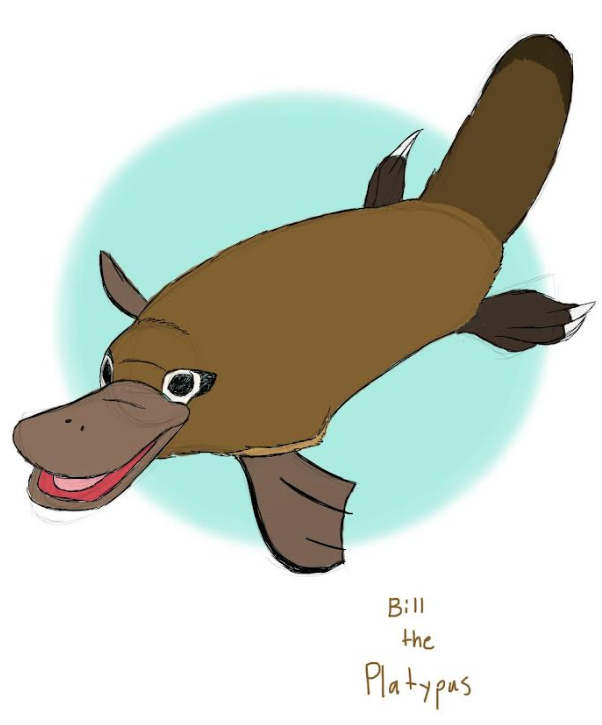
Jake: Please welcome Bill the Platypus!

Bill: Hi, Stinky. Hi, Jake. (looks at Stinky’s egg) Hey, I didn’t know skunks laid eggs.

Stinky: I’m gonna be the first skunk to ever hatch an egg!

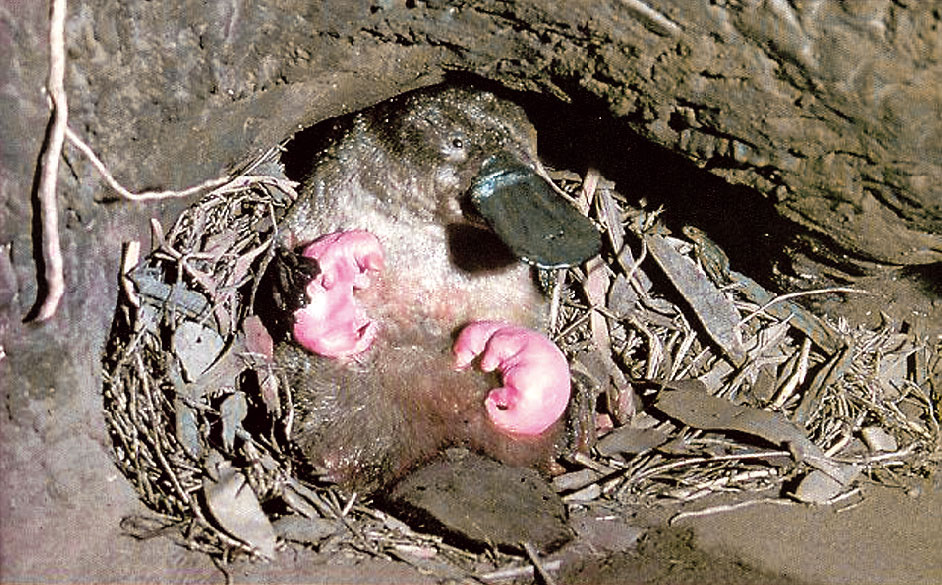
Bill: Sorry, but only platypuses and echidnas lay eggs.

Jake: Do you have any movies of platypuses you brought from home!

Bill: Of course I do!

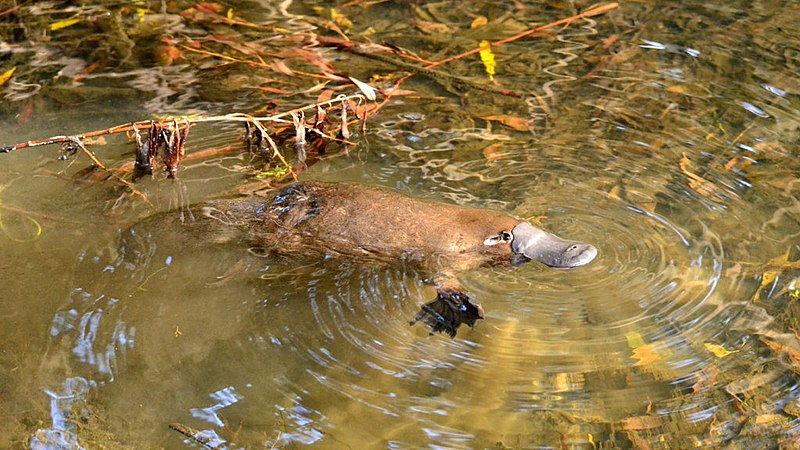
As you see, we platypuses love to swim.

Stinky: Did you get that from your parents?

Bill: What are you talking about?

Stinky: If a beaver and a duck have a baby, they’ll get a platypus!

Bill: Sorry, but that’s false! Ducks are birds. Platypuses and beavers are mammals. Beavers are rodents, while I’m a monotreme, a group of mammals that lays eggs.

Jake: Also, there are absolutely no beavers in Australia. They’re native to North America. Have you not been listening to Tizzy?

Stinky: I was trying to hatch my egg!

Jake: Sorry you had to hear that, Bill.

Bill: That’s okay, Jake. I get that a lot. Want to know something else about platypuses?

Jake: That you can actually sweat milk, and it’s healthy for humans?

Bill: That, and we are also poisonous.

Stinky: A poisonous mammal? Get out of here!

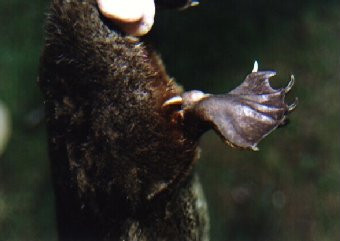
Bill: It’s true. Look at my friend Perry here.

We males have a poisonous claw at the end of our back-feet. This is used to hurt predators, but we never use it on food.

Jake: And what do you eat?

Bill: Crayfish, shrimp, bugs, worms, tadpoles, and fish.

Stinky: Do you suppose you could sing us a song?

Bill: I never sang on camera before, but I’ll try.

Jake: And now, here’s Bill singing ‘The Platypus Rap’.

Bill: If you're looking for a bird, then you're out of luck

Aside from the bill, do I look like a duck?

With the tail of a beaver and the feet like an otter

I do very well underwater!

Even though I'm a mammal, my kind lays eggs

We even have toxic spines on our legs!

Now that you know a bit about platypuses from down under

Please visit us in Australia, by thunder!

Bunnie: And now it’s time for the Animal Awards! Today, the animal with the longest pregnancy.

Armstrong: What?

Bunnie: That means a baby animal grows inside its mom until it’s ready to come out. It’s a mammalian thing.

Armstrong: Good thing birds lay eggs. It’s much quicker and less painful, except for maybe laying the egg.

Bunnie: Anyway, could the animal with the longest pregnancy be… the elephant?

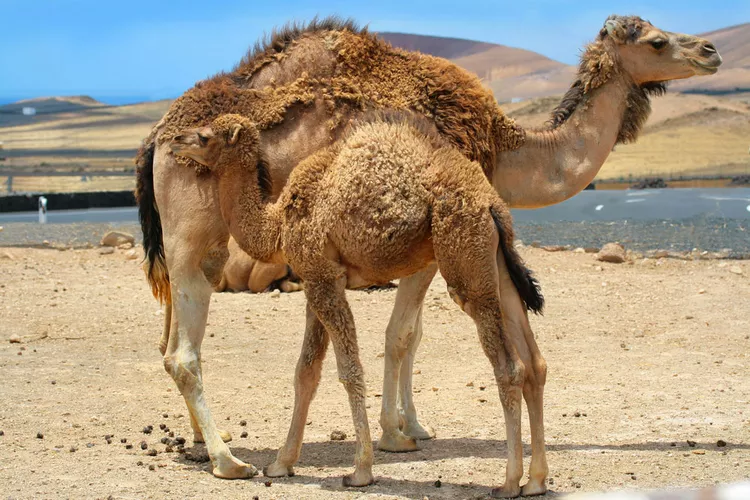
Armstrong: The camel?

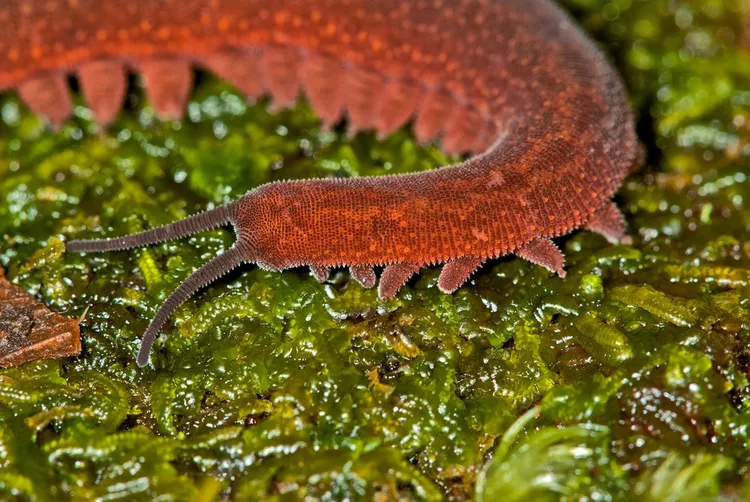
Bunnie: The velvet worm?

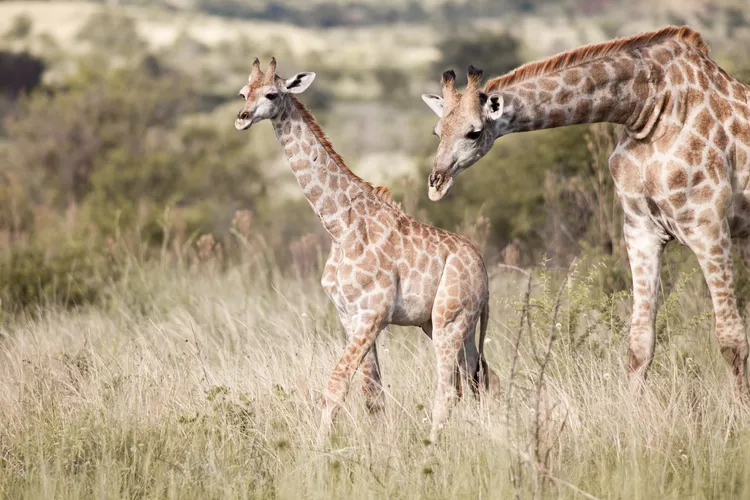
Armstrong: Or the giraffe?

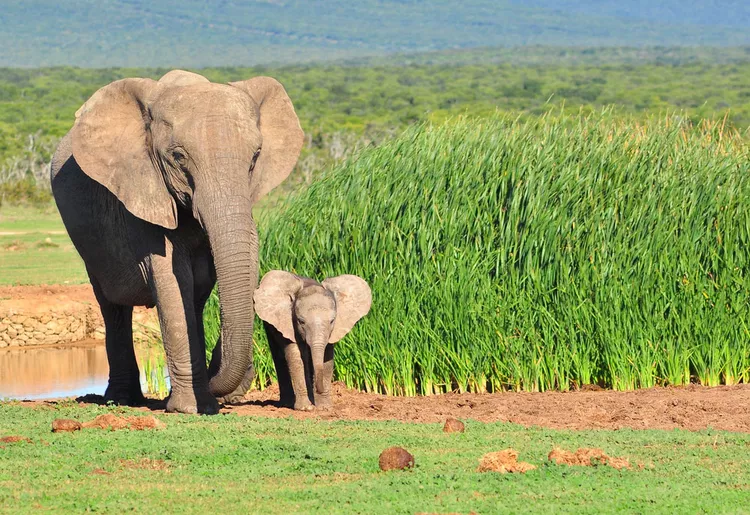
Bunnie: And the winner is… The elephant, which can be pregnant for up to 22 months! That’s nearly two whole years!

Armstrong: How can a worm get pregnant? I thought they lay eggs!

Bunnie: Well, Armstrong. When a mommy velvet worm and a daddy velvet worm love each other very much…

(cuts back to Stinky and Jake, with Stinky still sitting on his egg)

Jake: And now, it’s time for a story. It’s an old favorite with Kiki the Cuckoo Wrasse! “Once upon a time, there was a lovely pink cuckoo wrasse. A cuckoo wrasse may sound like it’s supposed to be a bird, but it’s actually a fish. Anyway, because this cuckoo wrasse was pink, she knew she was a girl, because girl cuckoo wrasses are pink. ‘I think I’ll call myself Kiki,’ She said. ‘Hey, what do you think of the name Kiki?’ You can’t have it, ‘cause I want it!’ Said a bigger cuckoo wrasse. ‘Kiki should be my name.’ Calvin Cuckoo Wrasse, the only boy fish in the shoal, overheard the girl fish talking. ‘Uh-oh.’ He said to himself. ‘Sounds like there’s going to be a fight.’ Since Calvin hated fights, he left. Now, a funny thing happens to cuckoo wrasses when the only boy fish in the shoal swims away. One of the girls turns into a boy! Now that may sound strange, but it’s absolutely true. So, when Kiki found herself turning blue, she knew it was happening to her. She was turning into a boy. ‘You can’t call yourself Kiki now!’ Said the other cuckoo wrasses. ‘No, I guess you’re right,’ Said Kiki. ‘So, what should I call myself? How about Kevin? Yes, Kevin Cuckoo Wrasse! That’s a good name for a boy cuckoo wrasse.’ ‘So now I can call myself Kiki, can’t I?’ Said the fish who’d wanted the name Kiki. But thinking about it, she decided she preferred the name Coral. ‘Coral, that’s a good name for a cuckoo wrasse.’ So Kevin, Coral, and all the other cuckoo wrasses lived happily ever after. The end.”

Stinky: That was a good story, Jake! My egg liked it, too.

(cut to Armstrong and Bunnie in front of the habitat door)

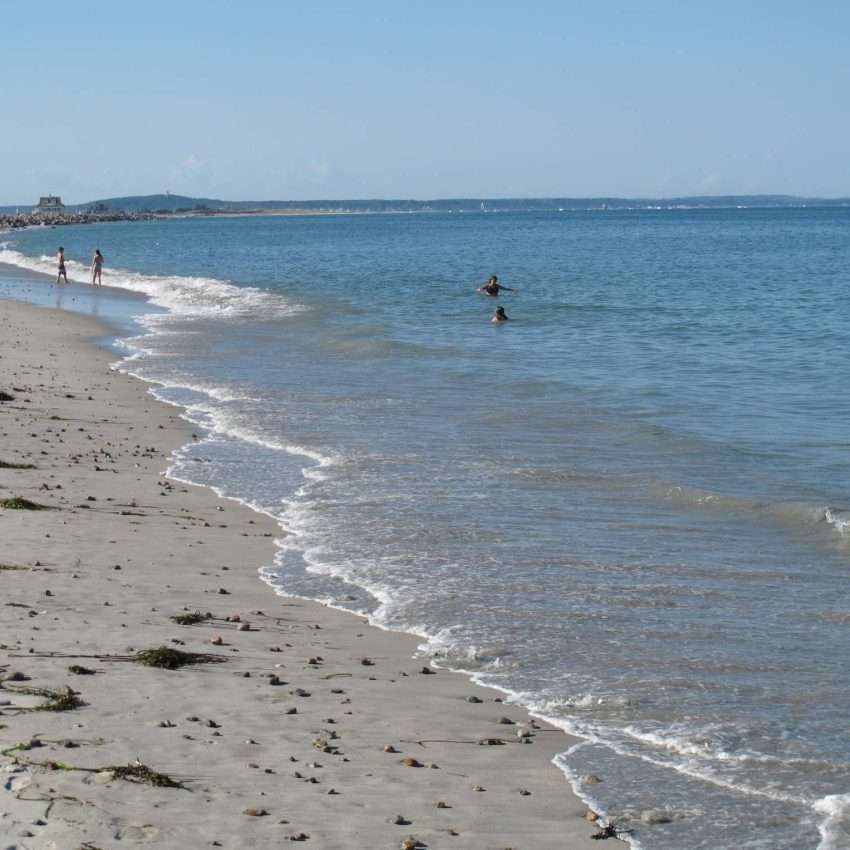
Bunnie: Okay, Armstrong. It’s Habitat Time, and today, we’re going to the beach!

Armstrong: Finally, a habitat that I want to visit.

Bunnie: Then let’s go! (opens the door, and they end up at a beach)

Even though beaches are popular tourist spots for humans, there are also several animals you can find here.

Armstrong: Now, what in the world are those things?

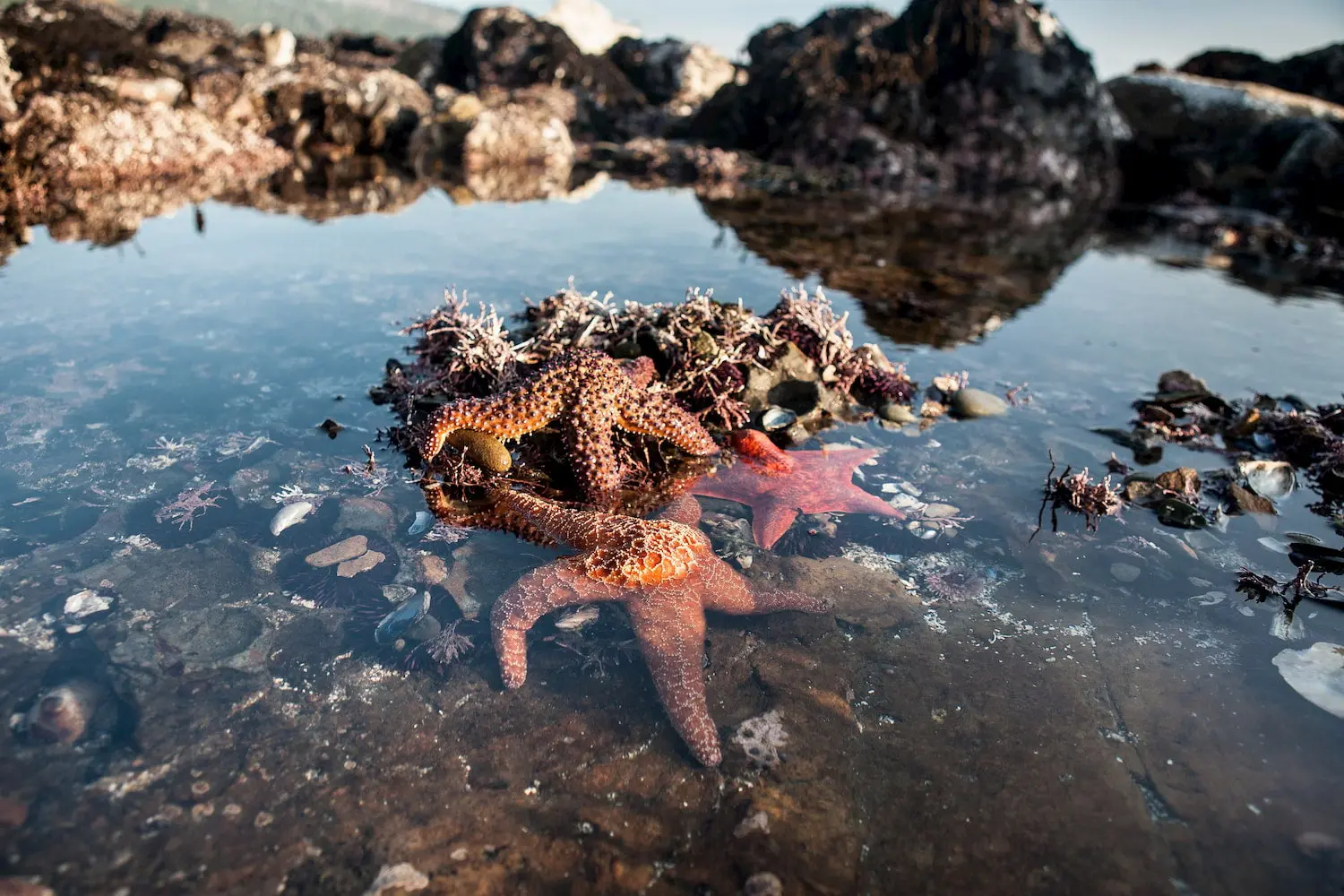
Bunnie: Those are starfish, Armstrong. These guys usually live on ocean floors, but sometimes they wash up on beaches. And want to know how they eat their food?

Armstrong: Not really.

Bunnie: They turn their stomachs inside-out!

Armstrong: Hey, I found a shell!

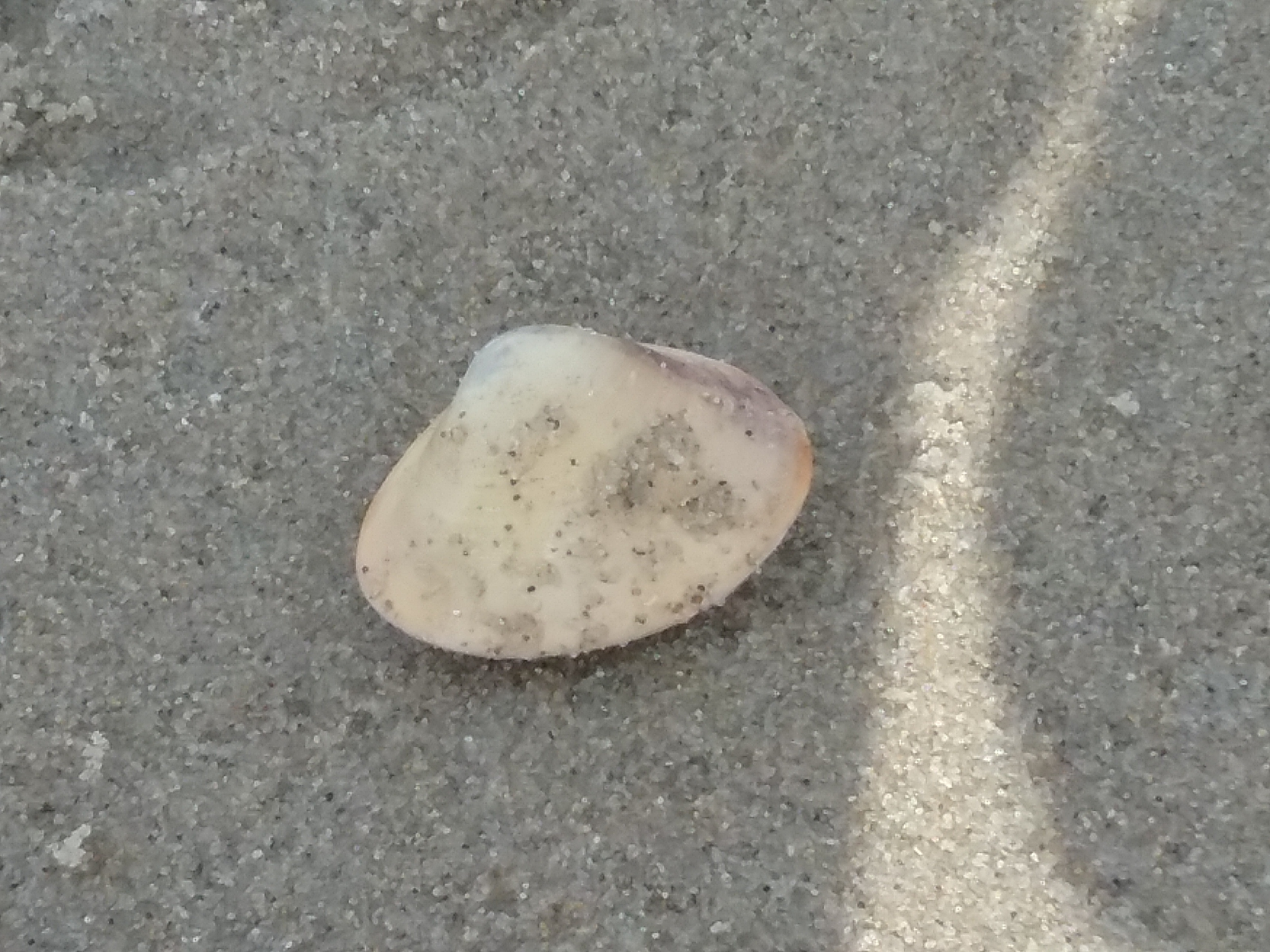
Bunnie: Not just a shell, Armstrong! That’s a clam. Some species can live up to 400 years!

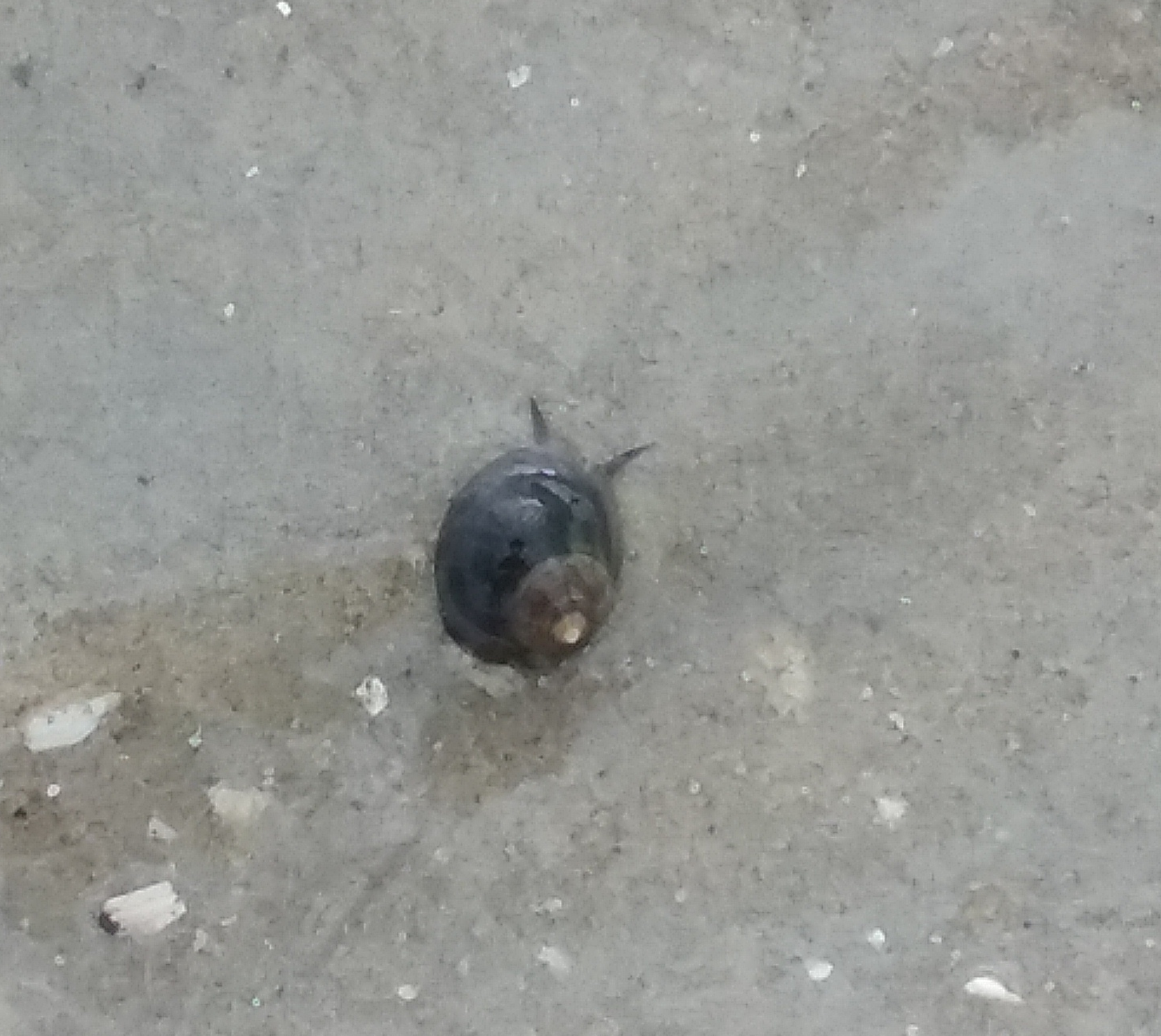
And here are animals that eat clams, snails!

Armstrong: That thing eats clams?

Bunnie: Maybe not this specimen, but there are snails that can eat clams whole!

Armstrong: Talk about a ravenous appetite.

And look, hermit crabs! I saw these guys when Ollie and I visited the seabed in the tusk episode.

Bunnie: You went to a seabed and you never told me? That’s amazing, Armstrong!

Armstrong: What are all those specks swimming around the seaweed?

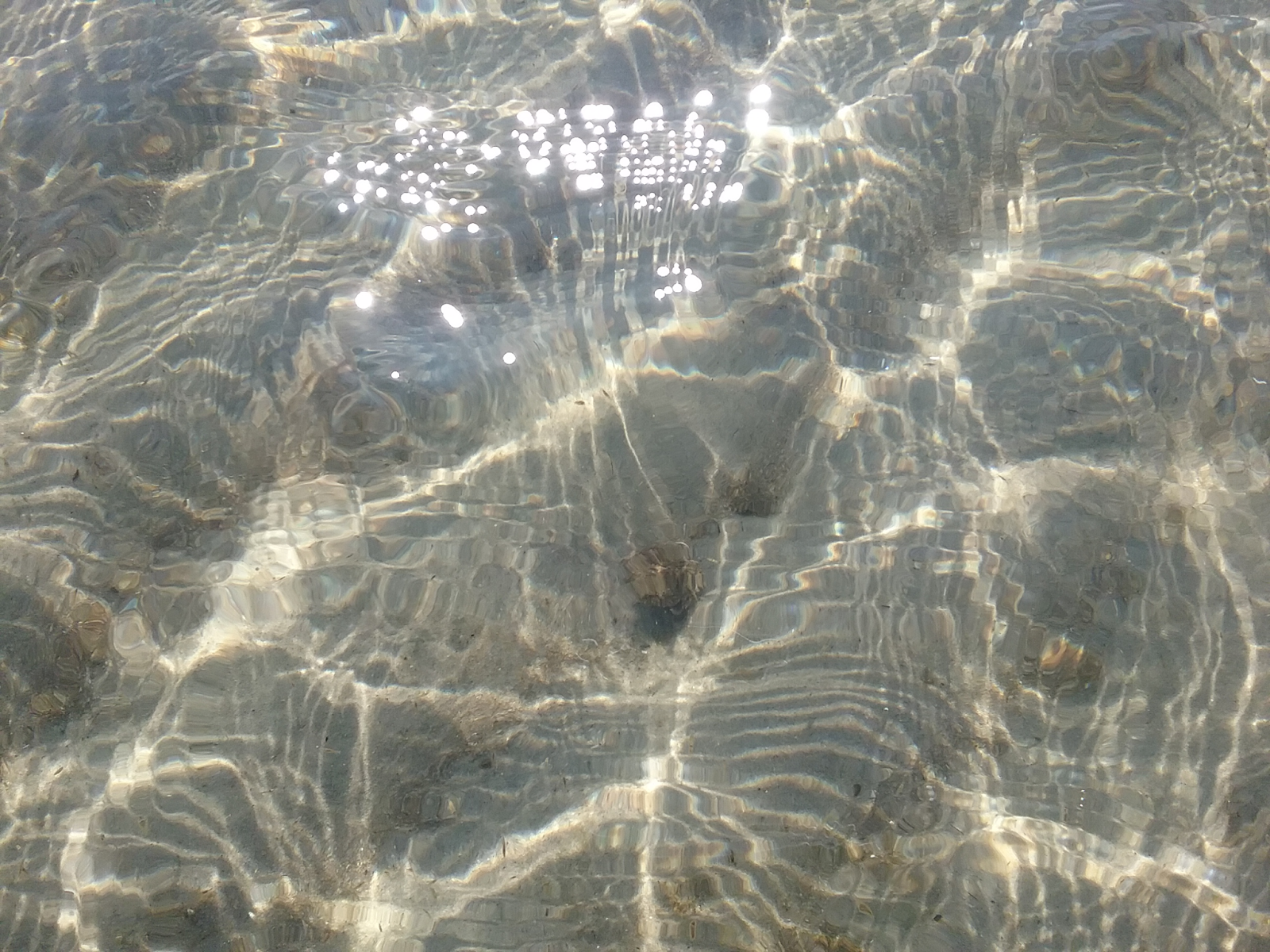
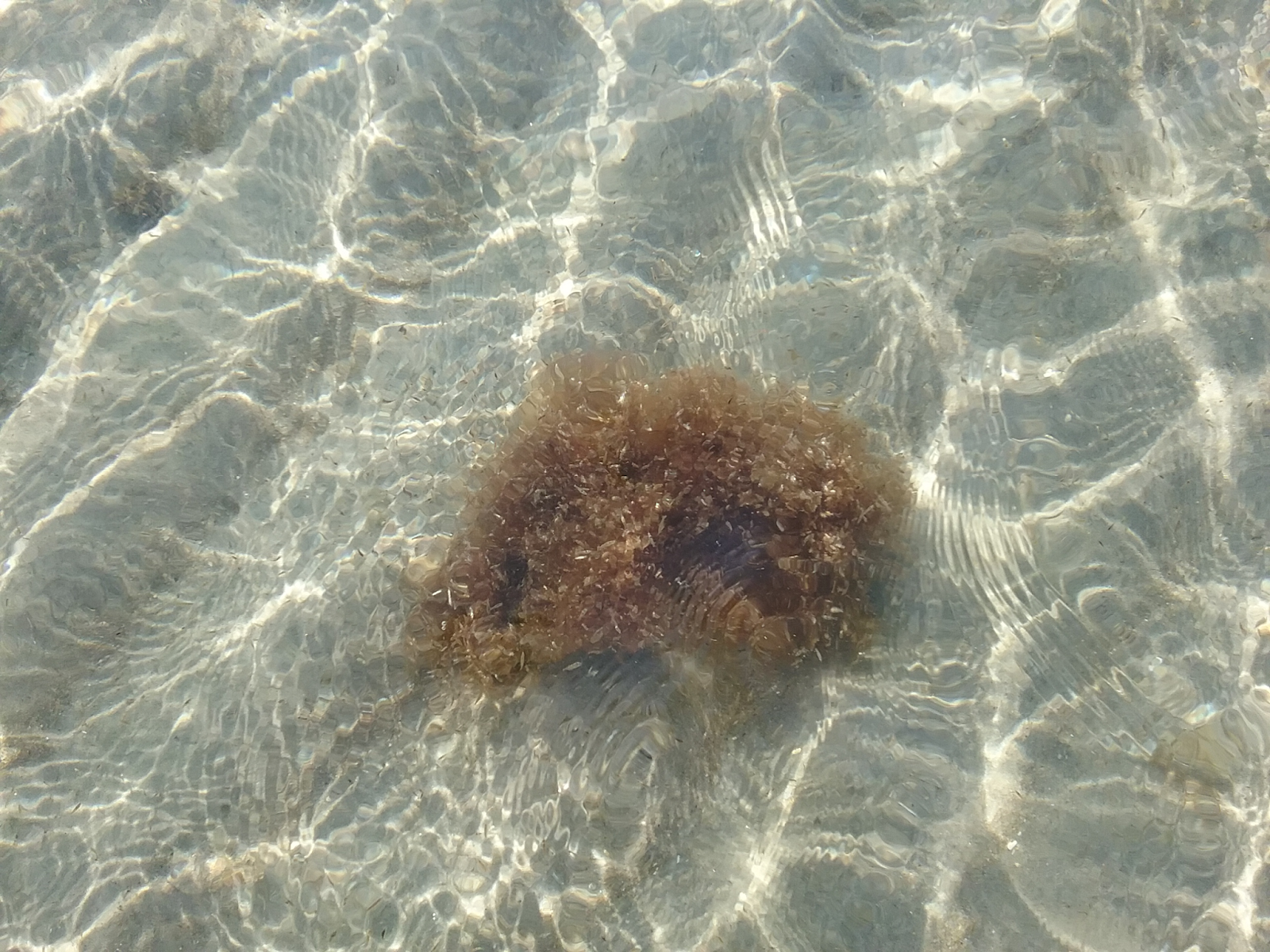
Bunnie: Those are shrimp. Similar to how insects are important to land ecosystems, shrimp are very important to those under the sea, especially since a lot of animals eat them!

Armstrong: Can we search for more animals here? Maybe we can find a guest animal from an older episode! Maybe a pelican or a crab!

Bunnie: Sorry Armstrong, but we need to head home.

Armstrong: Home?! But we just got here!

(Bunnie and Armstrong leave the beach and head back to the Animal Show studio)

Bunnie: For Habitat Time, it’s Bunnie Bear-

Armstrong: And Armstrong the chickenhawk.

Bunnie: Just back from the beach.

(Tizzy flies around Stinky and Jake again)

Tizzy: Quiz time!

Jake: And what’s the quiz this time?

Tizzy: Well, here it is! (cuts to the screen below)

The question is can seahorses change color? Give it a think. Back in a buzz!

Stinky: What do you think the answer is, Jake?

Jake: Maybe we should ask the egg.

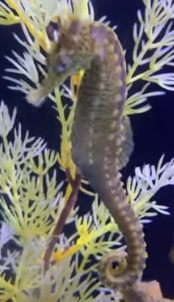
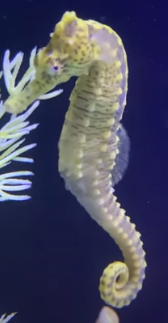
Tizzy: Maybe you should hear the question again. Can seahorses change color? Well, take a look!

Bee-lieve it, because it’s true!

Jake: Thanks for the quiz, Tizzy! That's all the time we have for today, and until next time, keep seeing… (Stinky’s egg started hatching)

Stinky: My egg! It’s hatching! (the egg hatches to reveal a baby chickenhawk)

Baby: (looking at Stinky) Mama. (looking at Jake) Not the mama.

Jake: Not the mama?

Stinky: A hawk? Like Armstrong?

(Armstrong flies over to see the chick)

Armstrong: Oh, this is my niece. I was wondering where she went. Thanks for taking care of her, Stinky.

Jake: Anyway, until next time, keep seeing the world through the eyes of animals. Bye!

Author's Notes: Perry, one of Bill's friends, is named after Perry the Platypus on Phineas and Ferb.
The story of Kiki the Cuckoo Wrasse was previously told in the Animal Show episode 'Chimpanzee and Hyena'.
'Kiki' after turning into Kevin.
Four of the five beach photos were all taken by me on Long Beach, Massachusetts. Can you guess which one (starfish, clam, crab, snail, and shrimp) is not found on Long Beach?
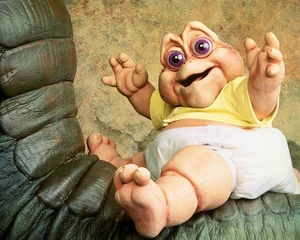
Armstrong's niece calling Jake 'not the mama' is a reference to how Baby Sinclair on Dinosaurs (a show that was best described as The Simpsons but with Dinosaurs) would call Earl 'not the mama' instead of daddy.
Armstrong and Ollie (a tapir who took Bunnie's place in the first season) actually encountered a hermit crab in the episode 'Walrus and Warthog', when the habitat was a seabed. The link to the episode will be supplied below.
Next week, you'll learn about regeneration when the guest stars are an axolotl and a lobster!